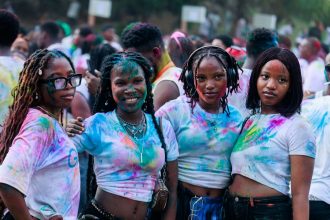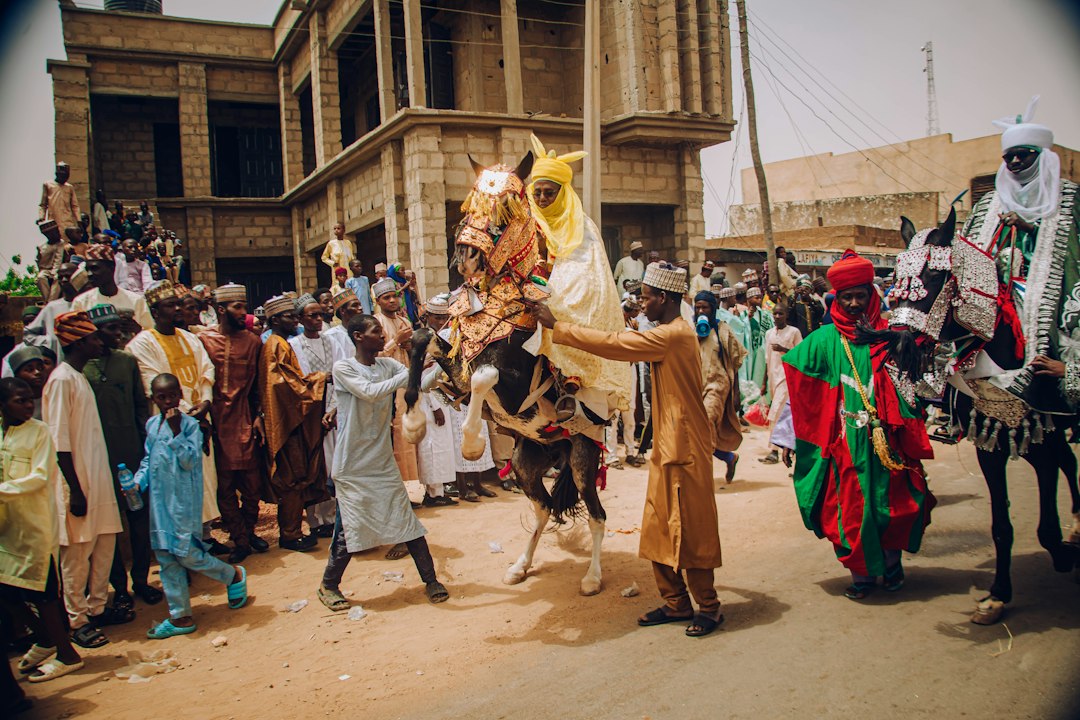
The Ojude Oba festival returned to Ijebu-Ode, Ogun State, on Friday 29 May 2026. This year’s edition carried a special weight: it honoured the late Awujale of Ijebuland, Oba Sikiru Adetona, who died in July 2025. Below are the key facts reported by Channels Television, with background on what the festival means and how to plan for the next one.
Five Things to Know About Ojude Oba 2026
- Meaning: Ojúde Ọba translates as “the king’s forecourt” and symbolises Ijebu identity, unity and tradition.
- Theme: “Celebrating the Legacy of Oba Sikiru Adetona”.
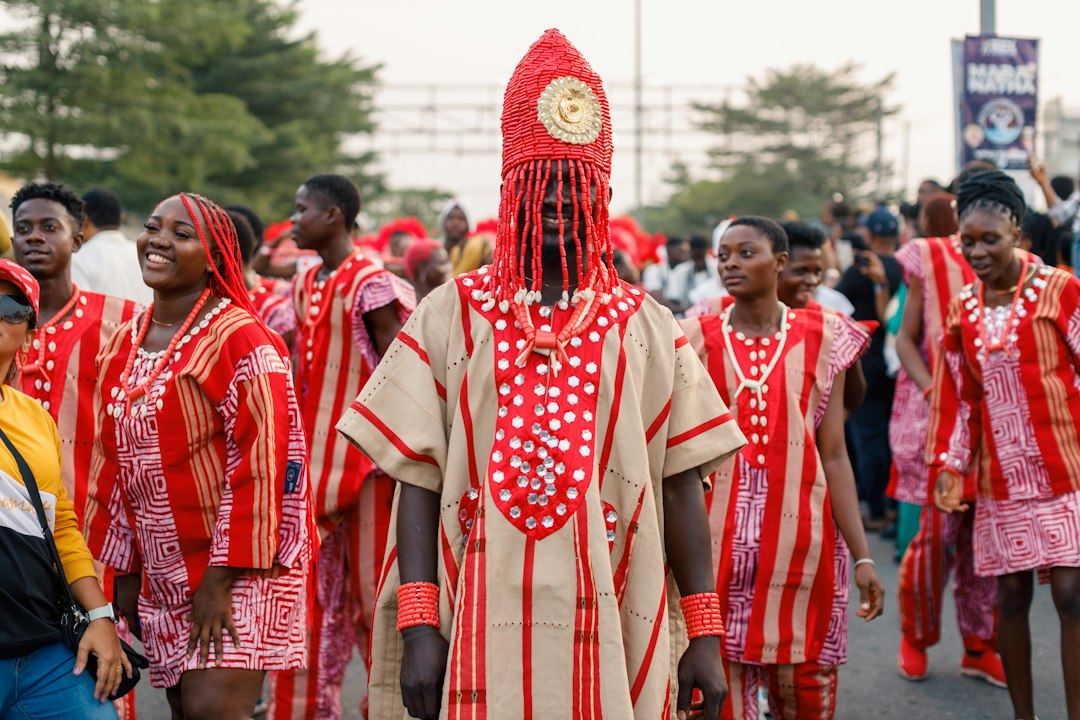
- Regberegbe groups: age-grade societies parade in coordinated aso oke outfits with synchronised dances and dramatic entrances.
- Origins: reported as beginning in the late nineteenth century, when early Muslim converts in Ijebu-Ode gathered to thank the Awujale for religious freedom.
- Scale and security: the festival draws visitors, celebrities and corporate sponsors, and the Ogun State Police Command planned to deploy more than 2,500 personnel.
Where It Happens
Sons and daughters of Ijebuland gather at the Awujale’s palace in Ijebu-Ode to pay homage to their paramount ruler. Many travel home from Lagos, other states and abroad, which makes Ojude Oba a diaspora homecoming as much as a local celebration.
Why the Clothing Matters
The regberegbe compete in colour and style, and aso oke and aso ebi are central. Learn the background in aso ebi meaning, styles and etiquette, how aso oke is woven and how to tie a gele.
Planning for Next Year
- Dates follow the Islamic calendar’s festive period, so confirm them with the organisers once announced.
- Book transport and accommodation early; Ijebu-Ode fills up.
- Expect crowds and security checks, and follow police guidance.
- Read our full guide: Ojude Oba festival and the regberegbe.
Frequently Asked Questions
Where is Ojude Oba held?
At the Awujale’s palace in Ijebu-Ode, Ogun State.
What are regberegbe?
Age-grade societies that parade in matching outfits and dance before the Awujale.
Is it only for Ijebu people?
The festival honours the Awujale and Ijebu identity, but visitors from everywhere attend as guests.
Explore more at the Learn Yoruba hub.