The Oyo Empire was the largest and most powerful Yoruba state, built around the city of Old Oyo (Oyo-Ilé) and ruled by the Alaafin. At its height, between roughly 1650 and 1750, it dominated much of the land between the Volta and Niger rivers, and its cavalry, tribute system and council of kingmakers shaped Yoruba politics for centuries. This guide explains how it began, how it was governed, why it declined, and why it still matters.
Origins of Oyo
Yoruba oral tradition links the founding of Oyo to the family of Odùduwà of Ilé-Ifẹ̀, and names Ọ̀ránmíyàn as the prince most often remembered as its first ruler. Historians treat these accounts as tradition rather than dated record. Linguistic and archaeological work suggests that groups settling in the open country north of the forest belt shaped Oyo’s early growth, which gave it something its southern neighbours lacked: grassland suited to horses.
Around the middle of the 16th century, Oyo suffered defeat at the hands of Nupe and Borgu forces. Accounts say it recovered by reorganising its army, and under the Alaafin Orompoto, in the late 16th century, it built the cavalry force that would define its power.
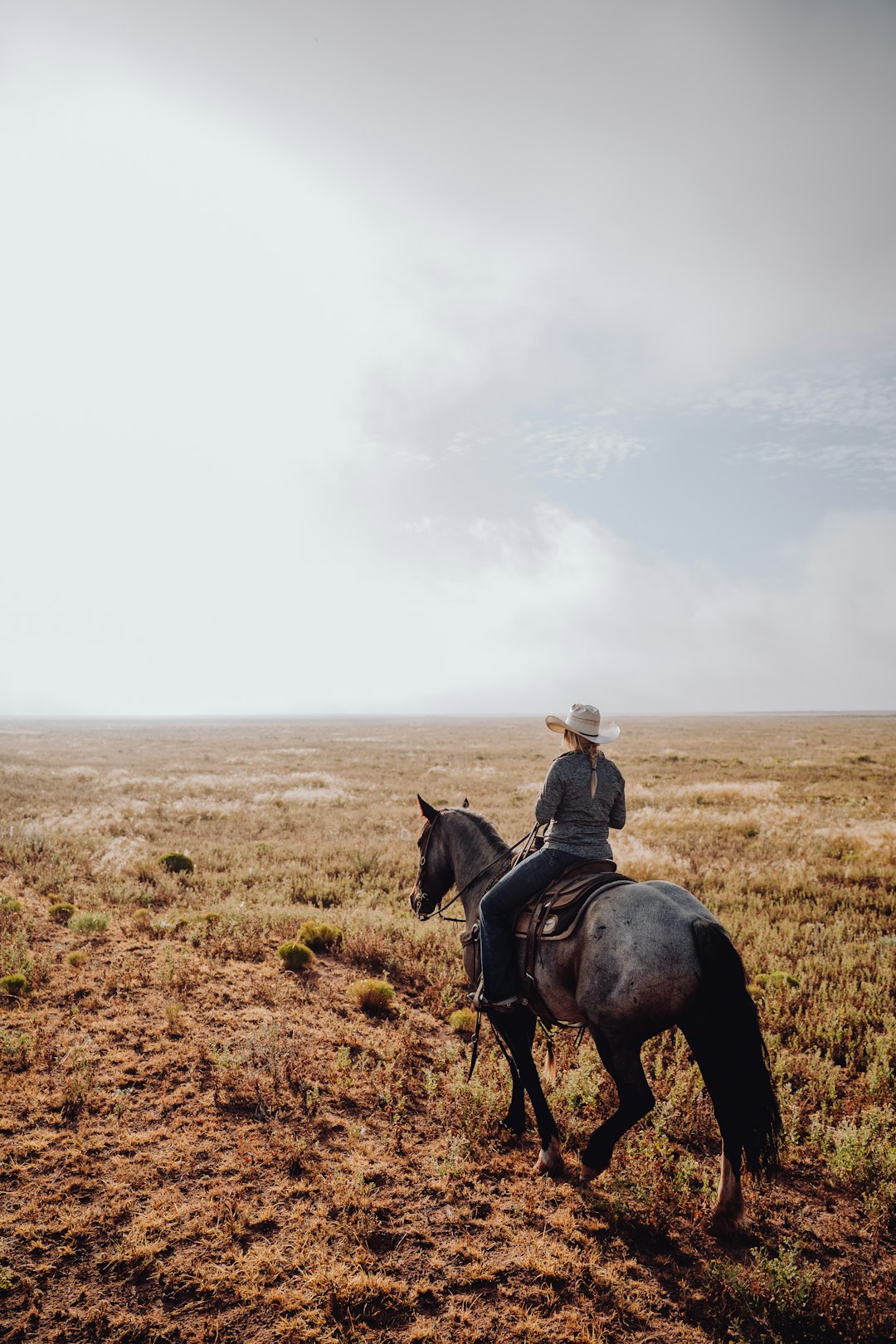
Illustrative photo of a horse and rider; it does not depict Oyo itself.
How Oyo was governed
- The Alaafin: the king, whose title means “owner of the palace”.
- The Oyo Mesi: a council of seven senior chiefs, led by the Bashorun, who advised the king and took part in choosing his successor.
- The Aare Ona Kakanfo: the senior military commander, typically stationed away from the capital.
- Tribute and agents: subordinate towns and neighbouring kingdoms paid tribute, and royal agents watched over the provinces.
The balance between the king and the council was the system’s great strength and, later, a source of crisis. Our guide to Yoruba chieftaincy titles explains how such offices work today.
The peak, 1650 to 1750
Trade, farming and a disciplined cavalry made Oyo the dominant Yoruba power. In the early 18th century it brought the kingdom of Dahomey under its authority, with campaigns recorded in the 1720s and 1730s to 1740s, and Dahomey paid tribute for many years afterwards. Oyo’s reach in the south gave it access to coastal trade routes, which brought wealth but also entangled it in the Atlantic slave trade, a painful chapter we cover in The Yoruba and the Atlantic Slave Trade.
Decline and the fall of Old Oyo
- Court conflict: quarrels between kings and their advisers weakened central authority through the 18th century.
- Abiodun’s reign (about 1770 to 1789): after a civil war he focused on coastal trade, which many historians say left the army less prepared.
- Provincial revolts: under his successors, provinces and commanders broke away, and Ilorin became the base of a powerful rival force in the early 19th century.
- Collapse of the capital: Old Oyo was abandoned around the 1830s, and a new Oyo was later founded further south.
Exact dates differ between sources, so treat the 19th-century years as approximate. The fall of Old Oyo set off population movements and the so-called Yoruba wars, and out of that upheaval came new centres such as Ibadan.
Why Oyo still matters
Oyo’s political vocabulary, the Alaafin, Bashorun and Aare Ona Kakanfo, is still in use, and the Alaafin of Oyo remains one of the most prominent traditional rulers in Yorubaland. Read more in Who Is the Alaafin of Oyo?, and see how the Alaafin and the Ooni met in the Joint Council of Yoruba Unity.
Frequently asked questions
What was the Oyo Empire known for?
Its cavalry, its council-based government and its control over a wide area of West Africa between about 1650 and 1750.
Where was the capital?
Old Oyo, also called Oyo-Ilé or Katunga in some sources, in the savanna north of the forest belt. The modern city of Oyo is a later foundation.
Who ruled it?
The Alaafin, advised by the Oyo Mesi council.
Sources
Photo: Bailey Alexander on Unsplash.