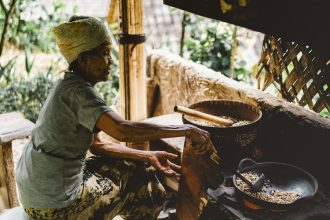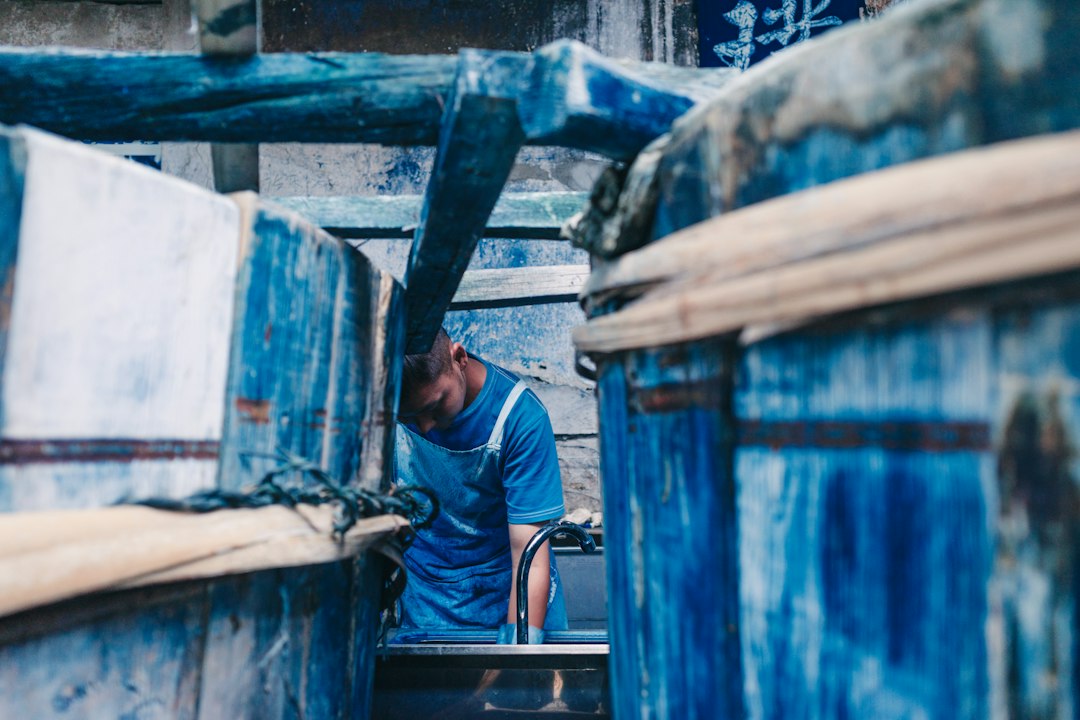
Adire is the Yoruba art of resist-dyed indigo cloth, and the process behind it is as beautiful as the patterns. The word is often explained as coming from adi (to tie) and re (to dye). This guide explains how adire is made, the three best-known techniques and where to see the craft today.
The Basic Idea: Resist Dyeing
In adire, parts of the cloth are blocked from taking the dye, leaving patterns in white or lighter blue against a deep indigo background. The blocking, called the resist, can be made by tying, stitching or painting a starch paste onto the fabric before dyeing. For the cultural meaning of adire, read our guide to Adire indigo cloth.
Step by Step: How Adire Is Made
- Prepare the cloth. Cotton fabric is washed so it takes dye evenly.
- Create the resist. Patterns are made by tying, stitching or painting starch onto the cloth.
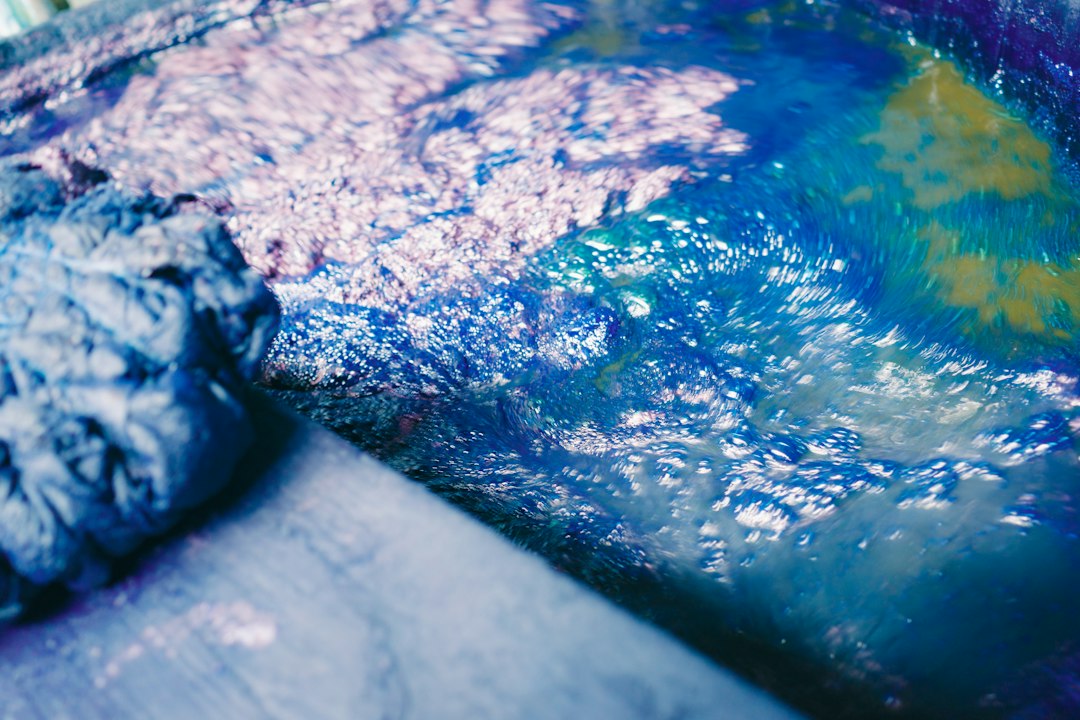
- Prepare the indigo vat. Traditional indigo is made from fermented leaves of the indigo plant in a large pot.
- Dye and air. The cloth is dipped several times, and each dip is followed by airing so the colour deepens.
- Remove the resist. Threads are untied, stitches are cut or starch is washed away, revealing the design.
The Three Best-Known Techniques
- Adire oniko: small areas of cloth are tied with raffia or thread to create circles and spots.
- Adire alabere: the cloth is folded and stitched to make patterns.
- Adire eleko: a starch paste, traditionally made from cassava, is painted on the cloth using a feather or a brush, and sometimes with stencils, to make detailed designs.
Where Adire Thrives
Adire is closely linked with the Egba of Abeokuta, who were famous for it; read about them in the Egba and Abeokuta. Today textile artists such as Nike Davies-Okundaye teach the craft, and designers use adire in fashion; see the Nike Art Gallery, aso ebi and Yoruba traditional attire.
Tips if You Want to Try Adire
- Start with a small cotton cloth and the tie-dye method.
- Use a ready-made indigo dye kit if you cannot make a vat.
- Test your starch paste on a scrap before painting the main cloth.
For a wider history of the craft, see Wikipedia’s Adire page.
How Adire Is Made FAQs
What is adire made from?
It is cotton cloth dyed with indigo using a resist made by tying, stitching or painting.
What is adire eleko?
Adire eleko is the technique of painting starch paste onto cloth before dyeing.
Which Yoruba town is famous for adire?
Abeokuta has long been a centre of adire making.