

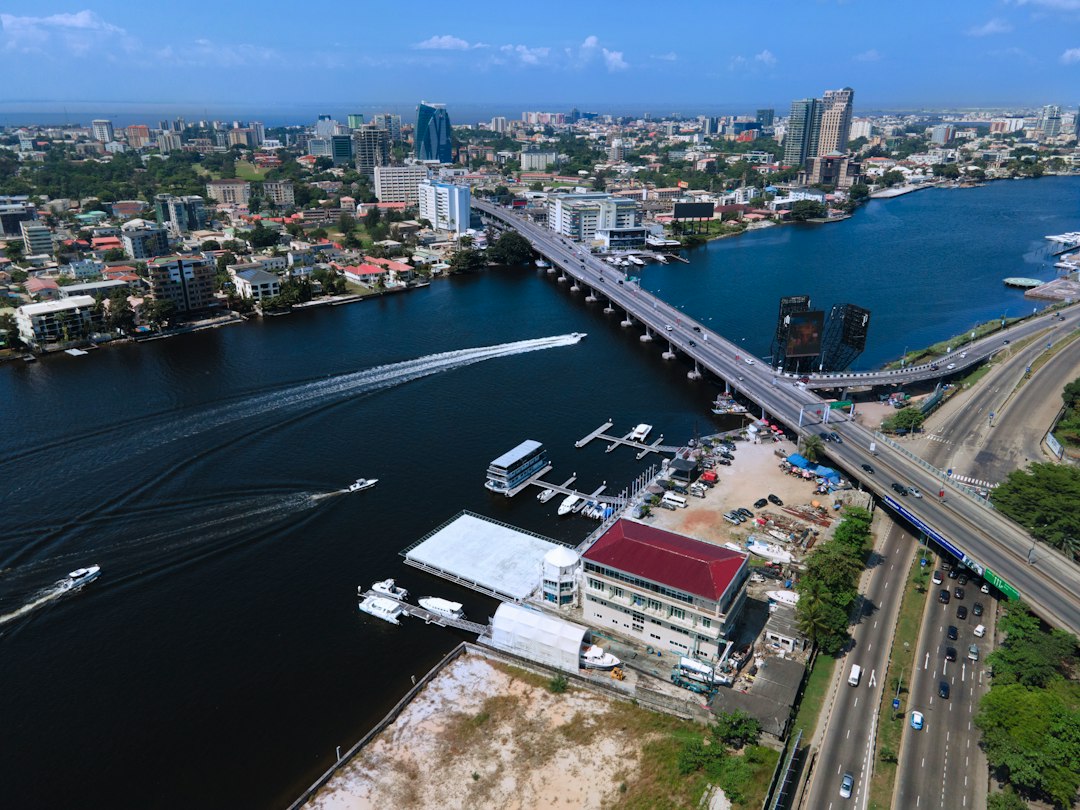
The Rhodes-Vivour Yoruba debate has become one of the most talked-about language stories in Nigerian politics this month. Gbadebo Rhodes-Vivour, the African Democratic Congress (ADC) candidate for Lagos governor in 2027, has been pressed on whether he speaks Yoruba well enough to lead a state where the language is part of everyday heritage. This explainer sets out what was said, how rivals responded and the wider question behind the headlines, without taking a side.
How the Rhodes-Vivour Yoruba Debate Began
The issue is not new. Rhodes-Vivour ran for Lagos governor in 2023 on the Labour Party platform and finished second behind the incumbent, Babajide Sanwo-Olu of the APC, The Sun notes. During that race his remark that he did not “think in Yoruba” became a talking point, and The Republic later examined how the language question mixed with wider debates about belonging in Lagos.
On Thursday, 17 September 2026, he told Arise TV that he had hired a Yoruba teacher, had learned the language and would campaign partly in Yoruba, Legit.ng reports. He added that flooding, housing and traffic would be central to his campaign whatever a voter’s language or background.

The Platform Moment on Independence Day
The topic returned at the 2026 Independence Day edition of The Platform Nigeria. An attendee asked how he would preserve Yoruba culture and language, and challenged him to reply in Yoruba, citing the decline of the language among children in Lagos, according to Legit.ng. Rhodes-Vivour acknowledged how central the language question is, said Lagos is Yorubaland, and criticised how Yoruba has been treated in Lagos schools under successive APC administrations.
Punch later headlined his response as a claim that he does not need perfect Yoruba to protect Lagos culture. Zikoko framed the argument as a debate about language versus governance, asking whether speaking a state’s native language should matter for political leadership.
How the APC and Other Critics Responded
The Lagos APC publicity secretary, Seye Oladejo, called the decision to learn Yoruba commendable but argued that speaking the language alone is not enough to understand the history, institutions and socio-economic realities of Lagos, according to Blueprint. He urged Rhodes-Vivour to add what he called “Understanding Lagos 101” to his lessons, and defended the experience of the APC candidate, Kadri Obafemi Hamzat.

Should a Governor Speak the Local Language? Both Sides
Supporters of the idea argue that speaking the native language helps a leader connect with constituents, promote culture and signal shared identity, a point Zikoko describes as definitely a plus. Language, they add, is also a policy matter: if Yoruba is fading among Lagos children, a governor who uses it can set an example.
Others reply that Lagos is a cosmopolitan megacity where Pidgin English cuts across millions of residents, and that a state’s culture and heritage can be protected through policy whatever the governor’s fluency. Zikoko puts the opposing question plainly: can heritage be preserved regardless of the governor’s ability to speak the language?
Both camps agree the language is under pressure. For background, read our explainer on whether the Yoruba language is in danger.
What the Rhodes-Vivour Yoruba Debate Means for Voters
For voters, the Rhodes-Vivour Yoruba debate is partly about identity and partly about delivery. Rhodes-Vivour says drainage, housing and transport should decide the vote, while his opponents say cultural understanding matters too. Reasonable people can weigh both. What is clear is that the Lagos 2027 contest will be argued in more than one language, and that Yoruba itself has become a campaign topic.
If you want to understand the language behind the argument, start with our guide to the Yoruba alphabet and tone marks or our 30-day plan to learn Yoruba. You can also follow our earlier coverage of Afenifere’s 2027 position.
Rhodes-Vivour Yoruba Debate: Frequently Asked Questions
Who is Gbadebo Rhodes-Vivour?
He is the ADC candidate for Lagos governor in 2027. In 2023 he ran on the Labour Party platform and came second to Babajide Sanwo-Olu, according to The Sun.
Will he campaign in Yoruba?
He said on Arise TV on 17 September 2026 that he had a Yoruba teacher and would campaign in Yoruba, as reported by Legit.ng and The Sun.
What was the APC’s response?
The Lagos APC welcomed his effort to learn Yoruba but said language alone is not enough to understand Lagos governance, Blueprint reports.
This article reports public statements and does not endorse any candidate or party.
Sources and Photo Credits
- The Sun: Rhodes-Vivour promises to campaign in Yoruba
- Legit.ng: Rhodes-Vivour promises to campaign in Yoruba
- Legit.ng: The Platform video trends
- Zikoko: By language or by governance?
- Blueprint: Lagos APC mocks ADC governorship candidate
- The Republic: The politics of local languages
Stock photos from Unsplash: Malik Buraimoh (featured image), Stephen Olatunde and Ben Iwara.





One Comment