Many people in the diaspora ask the same question: how do I trace my Yoruba roots? There is no single database, but Yoruba families keep a rich oral record of names, praise poetry and hometowns. This practical guide walks through the steps, from questioning relatives to using DNA tests, and explains what each can and cannot tell you.
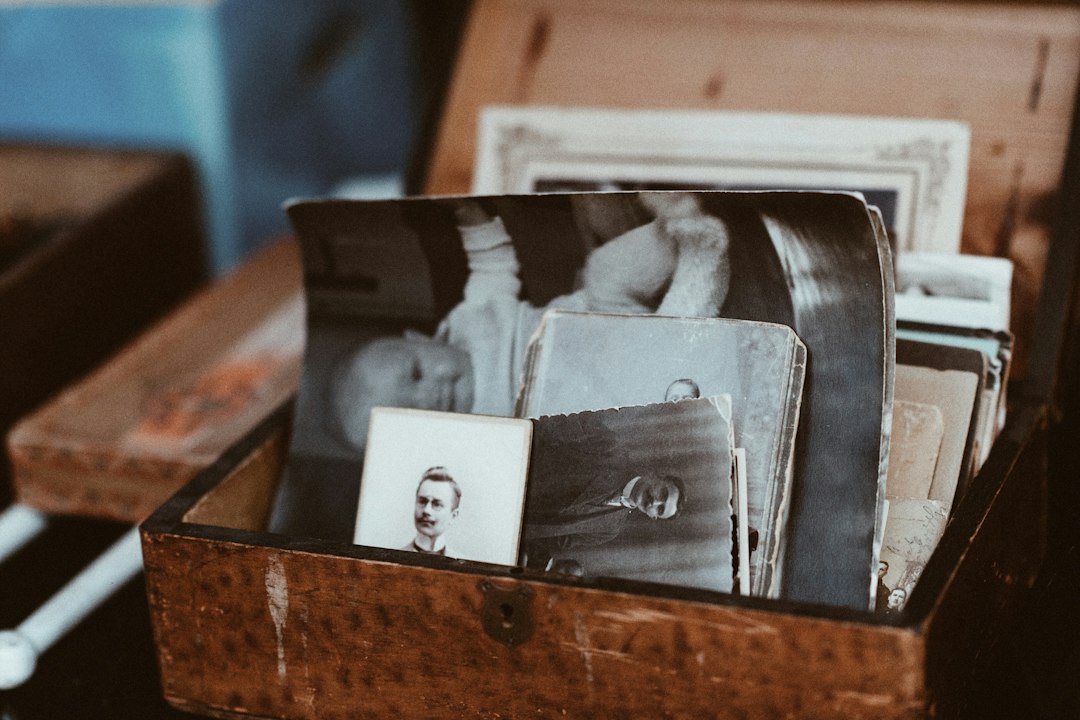
Step 1: Start With Living Relatives
Talk to the oldest members of your family first. Write down full names, nicknames, the name of the family compound (ilé), the hometown (ìlú ìbílẹ̀), occupations, and any stories about migration. Record the conversation with permission, since details are easily lost.
Step 2: Study Your Names
Yoruba names often carry clues about a family’s profession, deity, or circumstances of birth. A surname can point to a lineage or town, and an oriki (praise poem) may name ancestors and places. Start with our guides to Yoruba surnames and oriki.
Step 3: Identify the Hometown
Most Yoruba families trace to a specific town, often within the south-west states such as Ọ̀yọ́, Ògùn, Ondo, Ọ̀sun, Ekiti, Lagos and Kwara. Once you know the town, ask who the traditional ruler and the family heads are. Many towns have a community association that keeps records, including branches abroad.
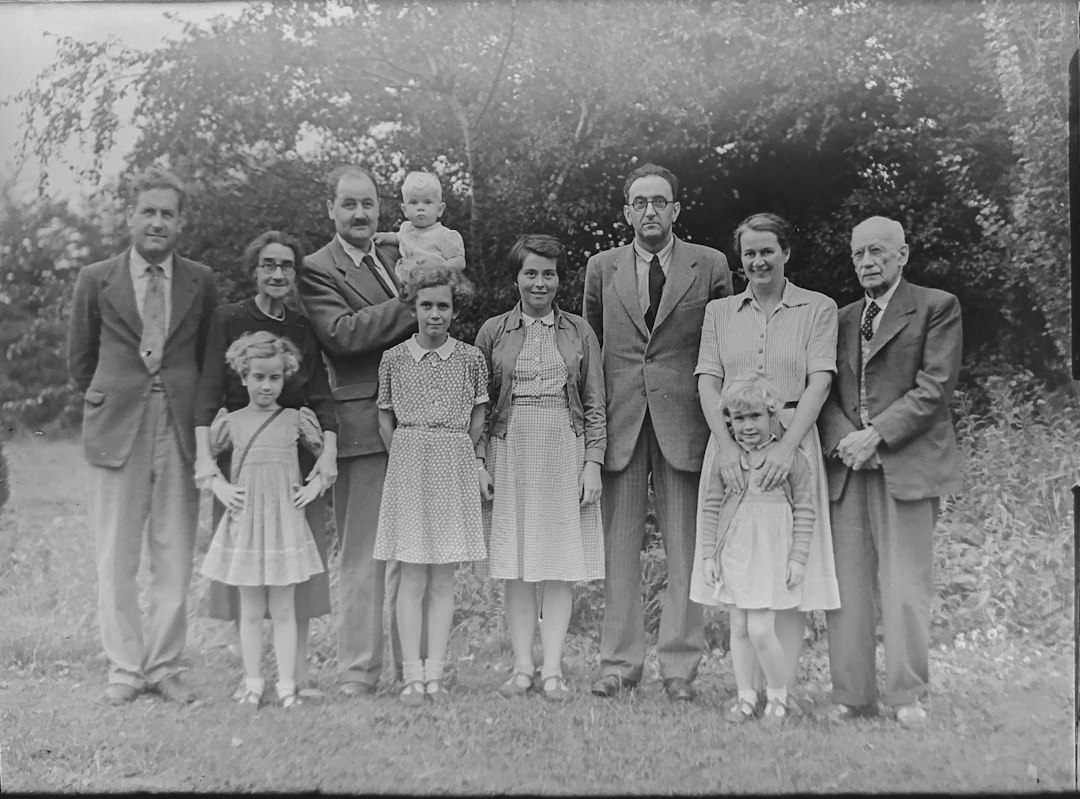
Step 4: Use Records and Archives
- Family photographs, letters, school and church or mosque records.
- Birth, marriage and land documents held by relatives.
- Public archives in Nigeria, such as the National Archives in Ibadan, and university libraries.
Step 5: Consider a DNA Test, With Caution
Consumer DNA tests can suggest broad regional ancestry, such as West Africa, and may connect you to distant relatives who have also tested. They cannot confirm a specific Yoruba town or lineage, and results vary between companies, so use them alongside the oral history above.
Understand the Wider Story
Yoruba origin stories are usually told through Ilé-Ifẹ̀, the city regarded as the cradle of Yoruba civilisation, and the figure of Odùduwà. Read our overview of the Yoruba story and the orisha for context, and learn the language with our Learn Yoruba guide.
Frequently Asked Questions
Can a DNA test prove I am Yoruba?
It can indicate ancestry from the region, but Yoruba identity is cultural and linguistic as well as genetic, so it cannot give a definitive answer on its own.
What if I do not know my family name’s origin?
Ask relatives, search the name in our surname guide, and contact a hometown association or cultural group.
Is the Yoruba naming ceremony recorded?
Often it is remembered rather than written, which is why oral history matters. See the naming ceremony guide.