

The Atlantic slave trade changed the Yoruba world and, through the people it carried across the ocean, helped create a global Yoruba diaspora. This guide explains how the trade, the fall of Oyo and the nineteenth-century wars are connected, and how Yoruba language, religion and music survived in the Americas and West Africa. It is a difficult history, and it is told here with care and with the limits of the evidence in mind.
Oyo and the Trade
During the seventeenth and eighteenth centuries, the Oyo Empire was the dominant power in the region and collected tribute from many neighbours. The empire took part in the Atlantic slave trade, with captives exported through coastal ports. Read the full story of its rise and fall in our guide to the Oyo Empire.
The Wars and the Surge in Captives
After Old Oyo fell around the 1830s, a century of conflicts, including the Owu, Ijaye and Kiriji wars, displaced and enslaved large numbers of people. Many captives taken in these wars were sold to the coast. See the Yoruba wars for the events and the new cities that grew from them.
Abolition and the British
Britain abolished its slave trade in 1807 and slavery in its empire in 1833, and the Royal Navy later intercepted slave ships. Africans freed from these ships, called recaptives, were resettled in Sierra Leone, where Yoruba speakers became known as the Aku. One of them, Samuel Ajayi Crowther, later became a bishop and a pioneer of written Yoruba; read about him in famous Yoruba people. The British also annexed Lagos in 1861, partly to suppress the trade; see the history of Lagos.
Yoruba Culture in the Americas
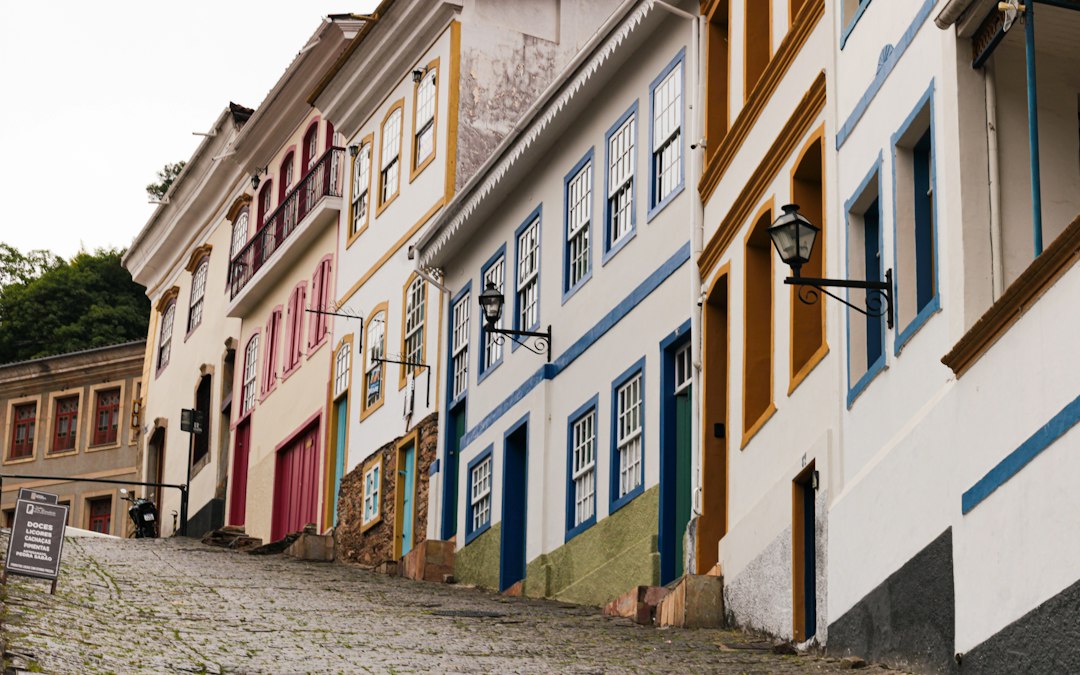
- Brazil: Yoruba-speaking people, often called Nagô, shaped Candomblé in Bahia. See the Museu Afro-Brasileiro in Salvador.
- Cuba: Lucumí (Santería) preserved Yoruba divinities and songs.
- Trinidad and the USA: Orisha traditions and communities such as Oyotunji African Village.
Brazil also ended slavery late, in 1888, and Cuba in 1886, which meant many Yoruba captives from the nineteenth-century wars reached the Americas close to the end of the trade. Return migrations then brought some descendants back to Lagos; read how Yoruba culture travels worldwide.
How It Is Remembered Today
The diaspora keeps the memory alive through religion, music, food and festivals, and the story is told in museums and cultural centres, including the John Randle Centre. For the belief systems that survived, read Yoruba religion explained. For broader reading, see Wikipedia’s page on the Yoruba diaspora.
FAQs
Did the Yoruba take part in the Atlantic slave trade?
Yes. Oyo and other powers took part, and the nineteenth-century wars increased the number of captives.
Who are the Aku in Sierra Leone?
The Aku are descendants of Yoruba-speaking recaptives resettled in Sierra Leone.
Why is Yoruba culture so strong in Brazil and Cuba?
Many Yoruba captives arrived in the nineteenth century and preserved their religion and music through Candomblé and Lucumí.



One Comment