

Politeness is at the heart of Yoruba speech. Before you learn long sentences, learn the small words that show respect: thank you, please, sorry and welcome. This guide gives you the most useful polite phrases and when to use them.
Thank you in Yoruba
| English | Yoruba |
|---|---|
| Thank you | Ẹ ṣé / Ẹ ṣeun |
| Thank you very much | Ẹ ṣé gan-an / Ẹ ṣeun púpọ̀ |
| I am grateful | Mo dúpẹ́ |
| Well done (for your work) | Ẹ kú iṣẹ́ |
Please and sorry
| English | Yoruba |
|---|---|
| Please | Ẹ jọ̀wọ́ / Jọ̀wọ́ |
| Sorry (sympathy) | Ẹ pẹ̀lẹ́ |
| Do not be offended | Má bínú |
Ẹ pẹ̀lẹ́ is used when someone is tired, hurt or has had bad luck. It means ‘take it easy’ as much as ‘sorry’. Má bínú is closer to ‘please do not be angry’ and is what you say when you have made a mistake.
Welcome and goodbye
| English | Yoruba |
|---|---|
| Welcome | Ẹ káàbọ̀ |
| Welcome back | Ẹ kú àbọ̀ |
| Goodbye | Ó dàbọ̀ |
| See you later | Ó dìgbà |
Why ẹ matters
In most of these phrases, ẹ is the respectful ‘you’. Use it with elders, strangers and anyone senior to you. With friends of your own age or younger people, the simpler singular forms are fine. Read more in our guide to Yoruba pronouns and greeting elders in Yoruba.
Try them in real situations
- At a shop: greet, then say Ẹ jọ̀wọ́ before you ask the price. See market words in Yoruba.
- When a host serves you food: say Ẹ ṣé.
- When someone arrives: say Ẹ káàbọ̀.
Next, learn common Yoruba verbs and test yourself with the Yoruba language quiz.
Frequently asked questions
How do you say thank you in Yoruba? Ẹ ṣé or Ẹ ṣeun.
How do you say welcome in Yoruba? Ẹ káàbọ̀.
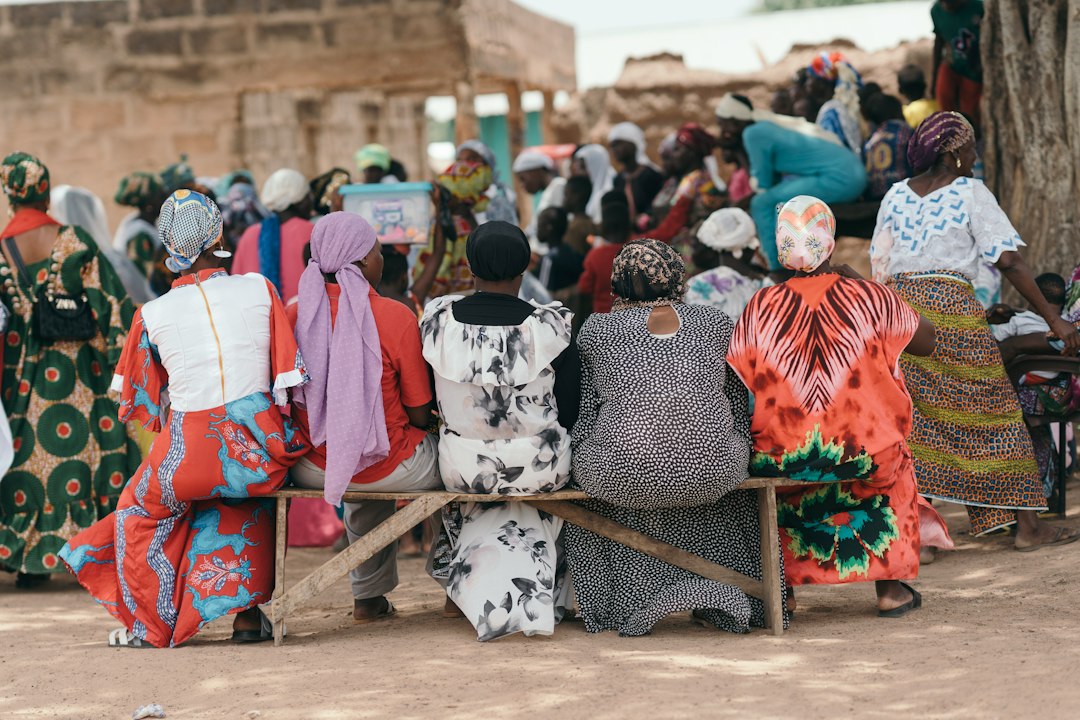
Photo: Unsplash contributor, women sitting together, illustrative of community. Spellings and tone marks follow common usage; check with a native speaker for formal writing.



One Comment