

The Yoruba naming ceremony, called Ìsọmọlórúkọ, is a family celebration at which a new baby is formally given a name. Customs differ between families and towns, so treat this guide as a general overview rather than a rulebook.
When it happens
Traditionally the ceremony is held on the eighth day after birth. Many families today still follow this timing, while others choose a nearby weekend so relatives can travel.
What usually takes place
- Relatives and friends gather at the family home, often dressed in matching or traditional outfits.
- Elders of the family speak good wishes for the child and the parents.
- Names are announced, often several: Yoruba children commonly receive more than one.
- Food, drink and music follow, in the style of an owambe.
Items often mentioned
| Item | Commonly explained as a wish for |
|---|---|
| Honey (oyin) | A sweet life |
| Salt (iyọ̀) | A life with flavour and meaning |
| Water (omi) | A smooth, peaceful life |
| Sugarcane (ìrèké) | Sweetness and joy |
The items and their meanings vary by family and region, so ask the elders of the household what they use.
Names and what they mean
Yoruba names often describe the family, the day or the circumstances of birth. Explore them in our guides to names by birth circumstances and baby names and meanings. For attire, see aso oke, adire and ankara, and learn how to greet elders properly.
Frequently asked questions
What is the Yoruba naming ceremony called? Ìsọmọlórúkọ.
When is it held? Traditionally on the eighth day after birth.
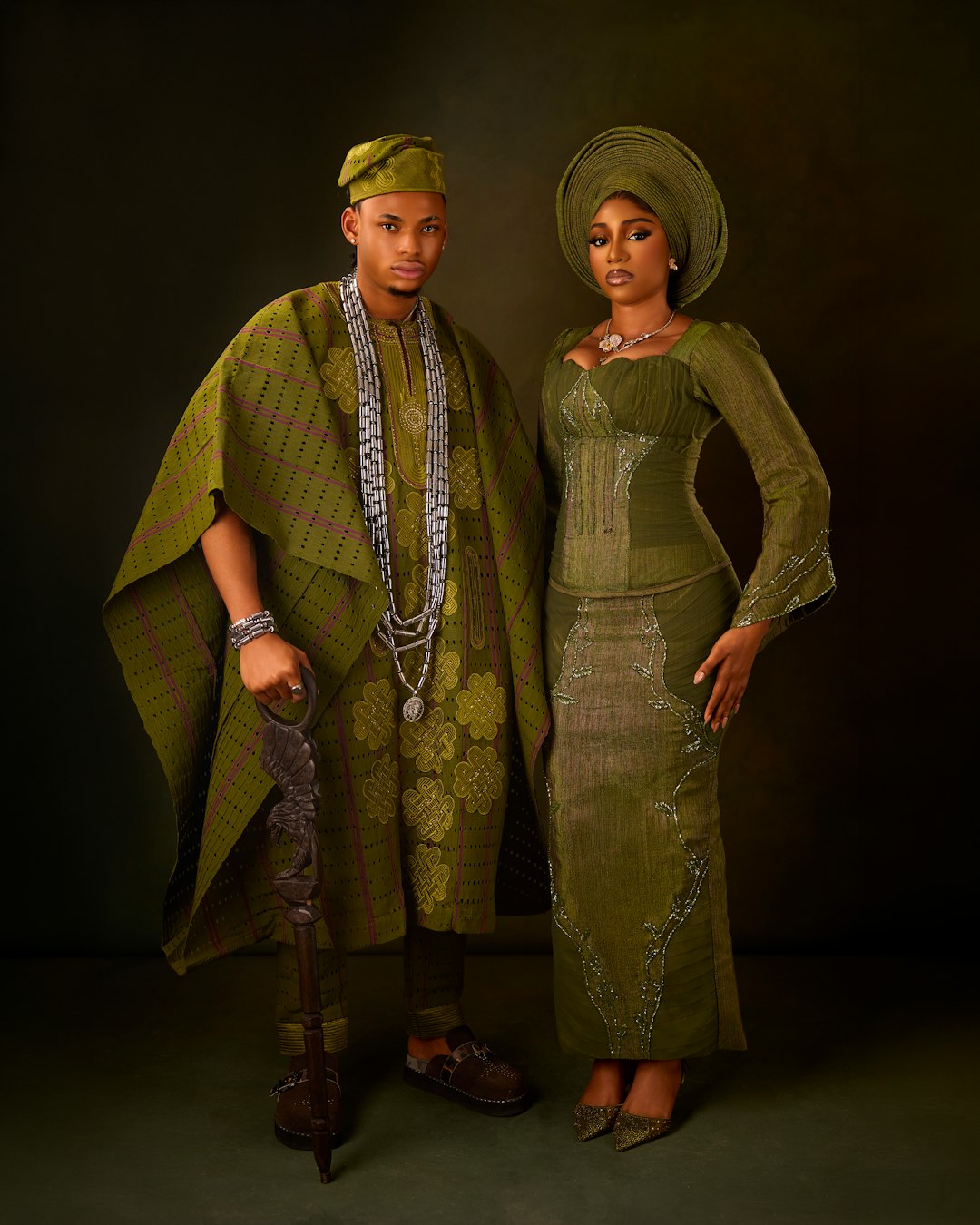
Photo: Unsplash contributor, a Nigerian man and woman in traditional attire, illustrative; it is not a photograph of a naming ceremony. Customs vary by family; spellings and tone marks follow common usage, so check with a native speaker for formal writing.


