

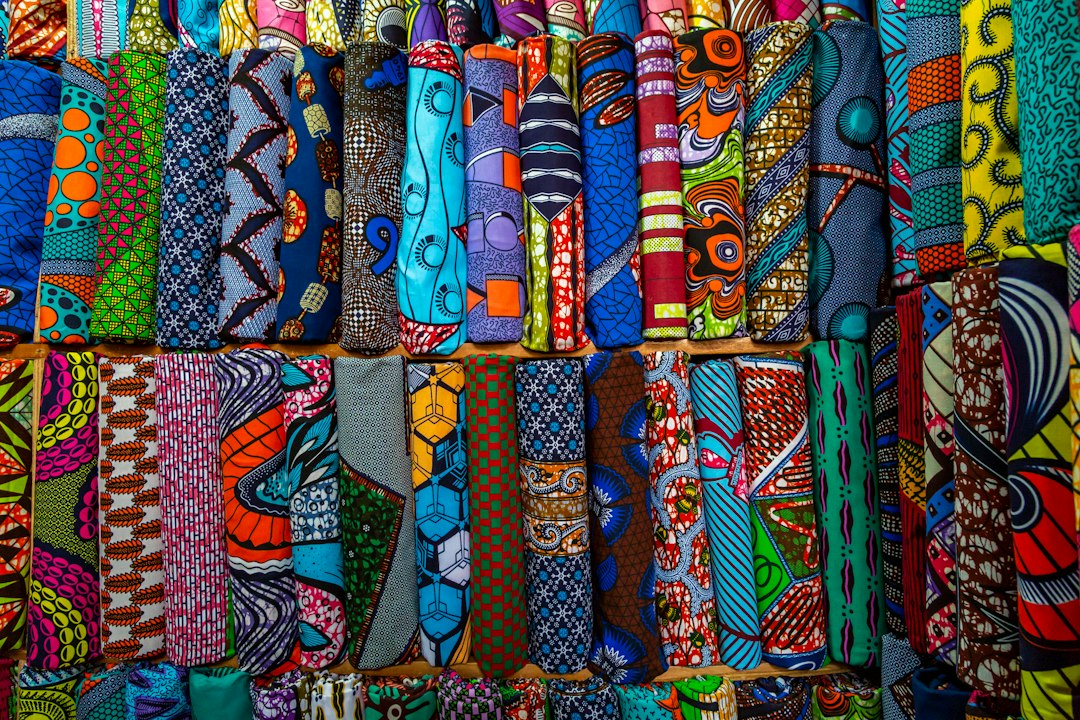
Walk into any Yoruba wedding, naming ceremony or festival and the first thing you notice is the clothing. Yoruba traditional attire is rich, colourful and full of meaning, and at its heart is Aso Oke, the prestigious hand-woven cloth of the Yoruba people. This guide explains the fabrics, the outfits for men and women, and when each is worn.
What is Aso Oke?
Aso Oke (aṣọ òkè), also called aso ofi, is a hand-woven cloth that originated with the Yoruba. The name is often explained as “cloth from the hinterland,” because merchants in Lagos used it for cloth brought from Iseyin and the Oke-Ogun region, while ofi refers to the loom. Iseyin in Oyo State remains famous as a home of Aso Oke weaving, and a Yoruba saying notes that people greet the clothes before they greet the wearer, which shows how much dress matters.
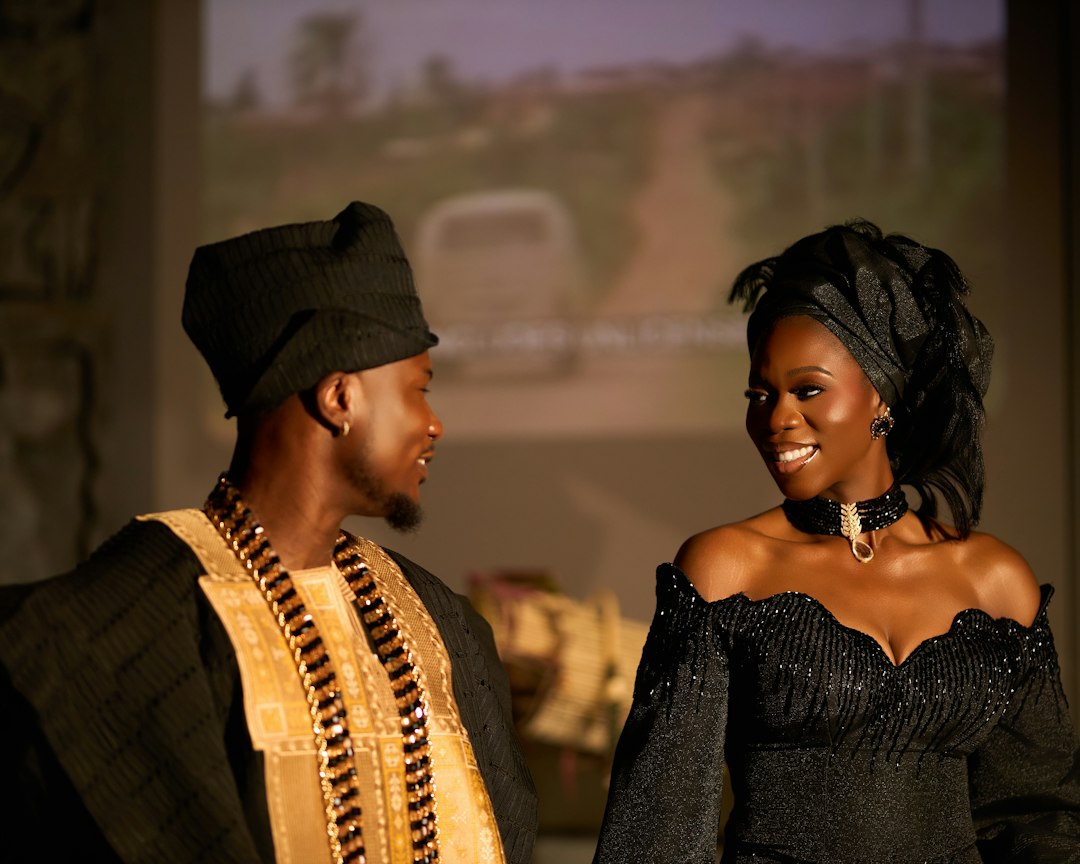
Types of Aso Oke
| Type | Look | Notes |
|---|---|---|
| Etu | Deep indigo blue with thin lighter stripes | Popular for coronations, chieftaincy, engagements, festivals and naming ceremonies |
| Sanyan | Beige to pale brown, woven with wild silk and cotton | Often considered the most prestigious and expensive, sometimes called the father of fabrics |
| Alaari | Crimson, magenta or deep red with shiny threads | Glossy finish, widely used for celebrations |
| Ifun (fu) and Waka | Light brown with navy, or black with red stripes | Other well-known varieties |
What Yoruba men wear
- Buba and sokoto: a loose top and trousers, the base of the outfit.
- Agbada: a large, multi-layered robe worn over the buba and sokoto for important occasions.
- Fila: the cap. Styles include abetiaja (with two movable flaps), gobi (with a dropped side) and kufi, which comes from Islamic tradition.
What Yoruba women wear
- Iro and buba: a wrapper tied like a wrap-around skirt, with a blouse.
- Gele: the elaborately folded head tie, often the star of the outfit.
- Ipele or iborun: a shawl worn over the shoulder or tied around the waist.
- Komole: a gown made from Aso Oke.
Other famous Yoruba fabrics
Aso Oke is often worn with other Yoruba cloths such as aran, a velvet cloth with concentric designs, and aso olona, a patterned cloth from the Ijebu. Hand-dyed indigo cloth is another icon of Yoruba fashion, which you can read about in our guide to Adire.
When is Yoruba traditional attire worn?
Festivals, coronations and weddings are not complete without Aso Oke. At the Yoruba traditional wedding, families often choose matching aso ebi in one fabric to show unity. It is also worn at naming ceremonies, chieftaincy events and religious festivals, and some types appear in Egungun masquerade costumes.
Tips for buying genuine Aso Oke
- Buy from known weavers in towns like Iseyin, Ibadan and Oyo where possible, since counterfeits are common.
- Feel the weight: handwoven Aso Oke is heavier than machine-made lookalikes.
- Ask the weaver about the type (etu, sanyan or alaari) and what occasion it suits.
Frequently asked questions
What does Aso Oke mean?
It is commonly translated as “top cloth” or “cloth from the hinterland,” and it is a hand-woven cloth of high status.
What is the most expensive Aso Oke?
Sanyan is generally regarded as the costliest because it is woven with wild silk.
What is gele?
Gele is the head tie worn by Yoruba women, folded into elaborate shapes for ceremonies.
Related reading: Nike Art Gallery and Yoruba Food.
Sources: Wikipedia, The Guardian Nigeria, the Horniman Museum and Global History Dialogues. Images are illustrative stock photos by Eva Blue and Unsplash photographers.



2 Comments