Knowing the body parts in Yoruba is one of the most practical steps for a beginner. You need these words to describe pain, ask for help, follow instructions and understand many proverbs. This guide lists the common words with their tone marks, shows how to use them in sentences, and explains why the head (orí) means far more in Yoruba thought than a part of the body.

Head and Face
| Yoruba | English |
|---|---|
| Orí | Head |
| Irun | Hair |
| Ojú | Eye, face |
| Etí | Ear |
| Imú | Nose |
| Ẹnu | Mouth |
| Ètè | Lip |
| Eyín | Tooth, teeth |
| Ahọ́n | Tongue |
Notice that ojú covers both “eye” and “face”. Yoruba often uses one word for related ideas, and context tells you which is meant. The word ojú also appears in expressions about shame and respect, which is why Yoruba speakers talk about a person having or losing “face”.
Neck, Arms and Hands
| Yoruba | English |
|---|---|
| Ọrùn | Neck |
| Èjìká | Shoulder |
| Apá | Arm |
| Ìgbáròkó | Elbow |
| Ọwọ́ | Hand |
| Ìka | Finger |
| Àtàǹpàkò | Thumb |
Body and Legs
| Yoruba | English |
|---|---|
| Àyà | Chest |
| Ikùn | Stomach |
| Ẹ̀yìn | Back |
| Itan | Thigh |
| Orúnkún | Knee |
| Ẹsẹ̀ | Leg, foot |
| Ọkàn | Heart |
Spellings and some words vary between dialects, so you may hear slightly different forms in Ibadan, Ìjẹ̀bú, Ekiti or Ọ̀yọ́. The list above reflects widely used standard Yoruba.
How to Use Body Parts in Sentences
The easiest pattern describes pain: put the body part first, then ń dùn mí (“is hurting me”).
- Ikùn ń dùn mí. — My stomach hurts.
- Ẹsẹ̀ ń dùn mí. — My leg hurts.
- Ẹ̀yìn ń dùn mí. — My back hurts.
- Ọwọ́ mi dí. — My hands are full (I am busy).
Add mi (“my”) after a noun to show ownership: ọwọ́ mi (my hand), ojú mi (my eye or face), ẹsẹ̀ mi (my leg). To say “your”, use rẹ: ọwọ́ rẹ. For the full set of pronouns, see our guide to Yoruba pronouns and sentence structure.
Why Tone Marks Matter Here
Many body-part words look alike without tone marks. Ẹsẹ̀ (leg) and ẹ̀sẹ̀ are not interchangeable in careful speech, and ọwọ́ (hand) differs from ọ̀wọ̀ (respect). Writing the marks helps learners avoid confusion; read why tone marks matter and practise the sounds with our Yoruba alphabet guide.
Orí: More Than the Head
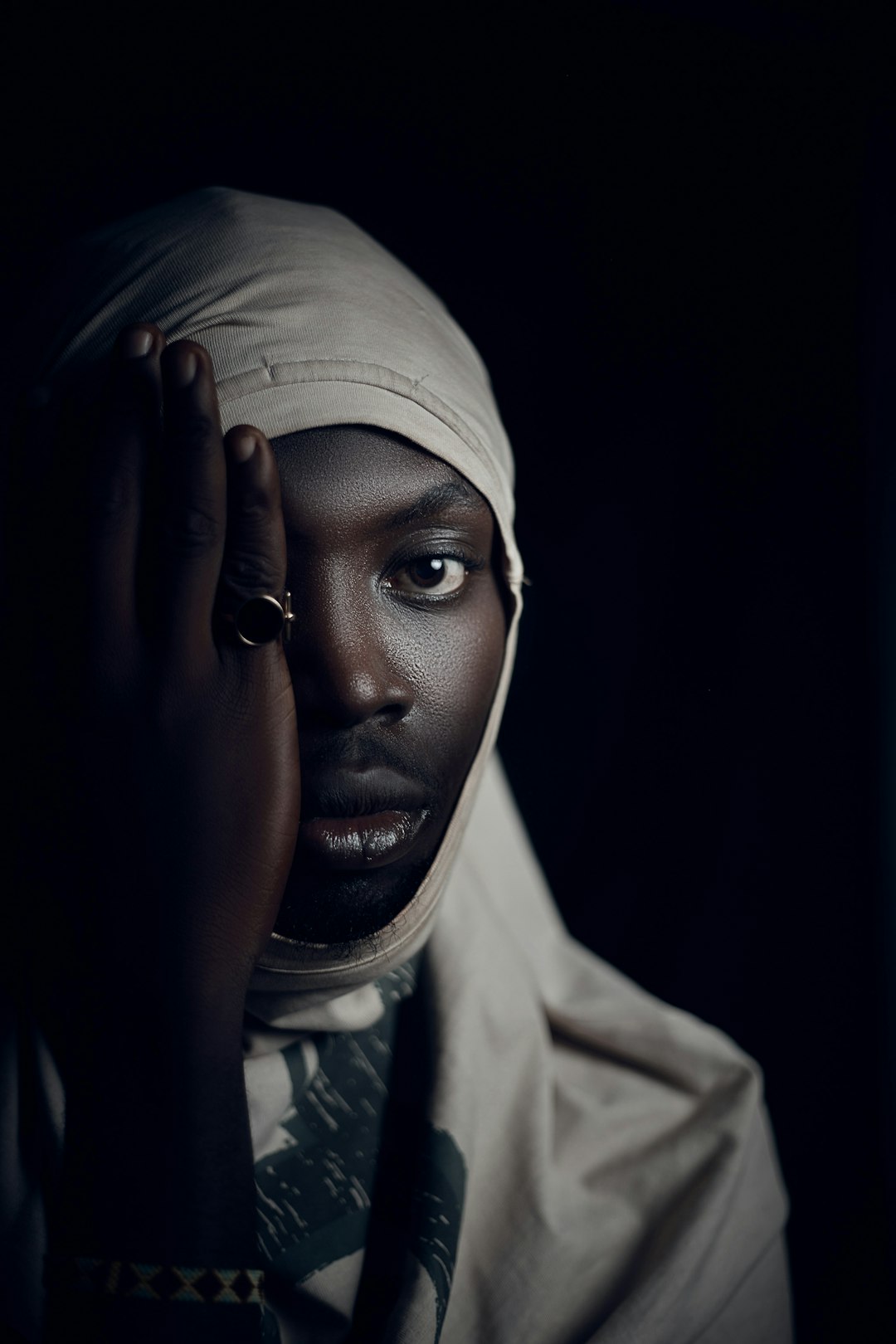
In Yoruba thought, orí refers to the physical head and also to a person’s spiritual head, linked to destiny. Writers on Yoruba religion describe the inner orí as the part of a person that carries their fate and that is honoured in its own right. This is why people speak of someone’s orí being good or bad, and why the word appears in names and prayers. Beliefs and practice differ between families and traditions, so treat this as a general introduction. To explore the wider belief system, read about the orisha and Ifá.
A Proverb About the Hand
A well-known Yoruba proverb says: Ọwọ́ ọmọdé kò tó pẹpẹ, ti àgbà kò wọ akèrègbè. It means a child’s hand cannot reach the shelf, and an elder’s hand cannot enter the gourd. In other words, young and old each have strengths the other lacks, so they need one another. More sayings are explained in our Yoruba proverbs guide.
Tips for Remembering the Words
- Point to each part and say the word aloud, with mi after it.
- Learn one group at a time: head, then arms, then legs.
- Pair body words with greetings and family terms from our family members guide.
- Keep a short daily list and add it to your 30-day study plan.
Frequently Asked Questions
What is head in Yoruba?
The word is orí. It also refers to a person’s spiritual head and destiny.
How do you say my hand hurts in Yoruba?
Say Ọwọ́ ń dùn mí.
Why does ojú mean both eye and face?
Yoruba often uses one word for closely related ideas. Context shows which meaning applies.
Do all Yoruba dialects use the same words?
Not always. Standard Yoruba is widely understood, but regional forms differ.
Continue learning with common Yoruba words, Yoruba numbers and the full Learn Yoruba hub.