Egúngún are masquerades that represent the spirits of Yoruba ancestors returning to bless the living. They are among the most striking sights at Yoruba festivals, covered from head to foot in layered, colourful cloth. This guide explains what Egúngún are, what the costumes mean and how to respect the tradition if you attend a festival.
What Is Egúngún?
The word egúngún is used both for the masquerade itself and for the ancestral spirits it represents. Yoruba tradition teaches that the dead continue to care for their families, and Egúngún give them a visible form. A masquerade is not seen as a costume worn by a person but as a spiritual presence, so the dancer’s identity is kept private. Read the wider beliefs in Yoruba religion explained.
The Costume
- Layers of cloth: strips of fabric, including Aso Oke, sewn together so they swirl when the masquerade spins.
- Face covering: a mesh or cloth panel that hides the wearer completely.
- Charms and objects: items attached to the costume that carry spiritual meaning.
- A staff or whip: used to keep order and greet worshippers.
Learn more about the cloth in Yoruba traditional attire.
Songs, Drums and Chants
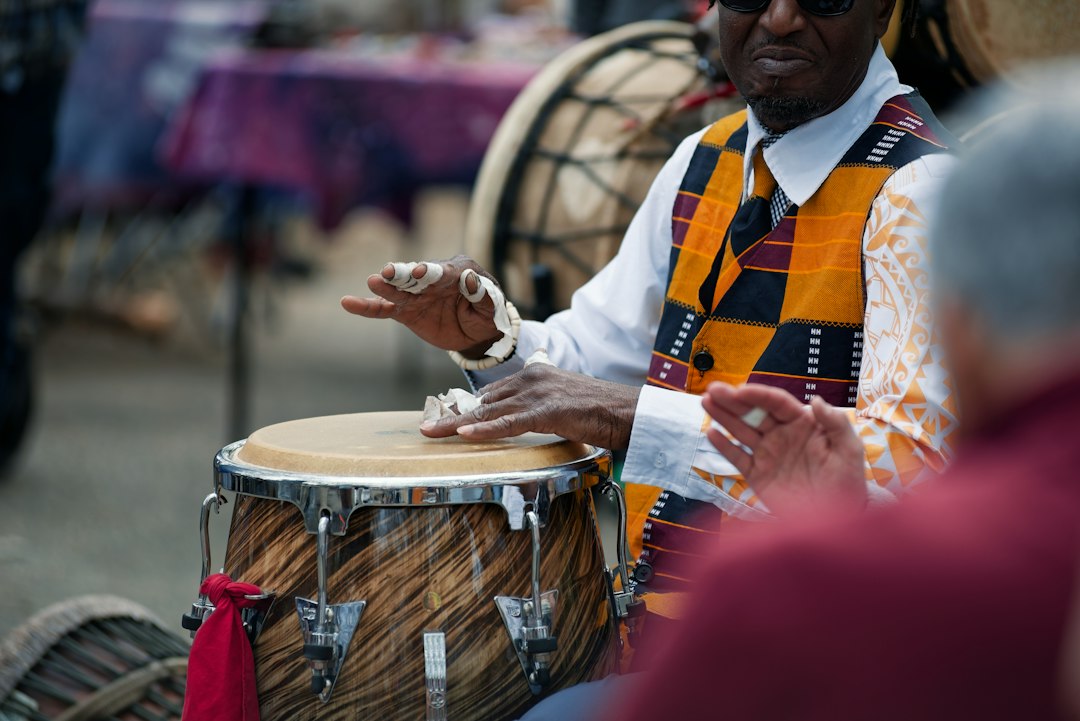
Egúngún performances are led by drummers and chanters. The chants, called ẹ̀sà, praise the ancestors and the families they belong to; see oríkì and the talking drum.
Festivals and Where to See Egúngún
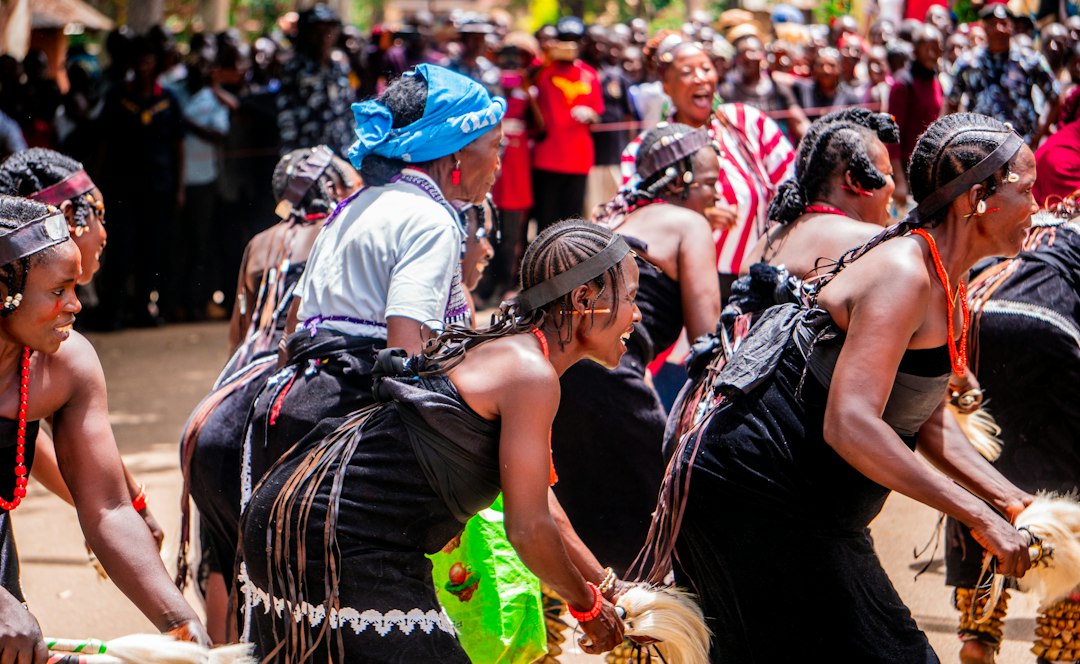
Egúngún festivals are held in many towns, often once a year, and the dates and rules differ from place to place. They are part of the festival season described in major Yoruba festivals and are related to the Lagos masquerades in the Eyo Festival. Egúngún traditions also survive in Brazil, especially in Bahia.
Etiquette for Visitors
- Keep a respectful distance and follow the instructions of the elders.
- Do not touch the masquerade or try to see the person inside.
- Ask permission before photographing or filming.
- Dress modestly.
Learn More
Read the overview of Egúngún on Wikipedia, and explore the values of Yoruba culture and Yoruba funeral traditions, which are connected to ancestor honour.
Egúngún FAQs
What is Egúngún?
Egúngún are Yoruba masquerades that represent the spirits of ancestors.
Why are Egúngún covered completely?
Because they are regarded as spirits, the wearer’s identity is kept private.
Can visitors watch Egúngún festivals?
Often yes, if they respect local rules and the instructions of elders.