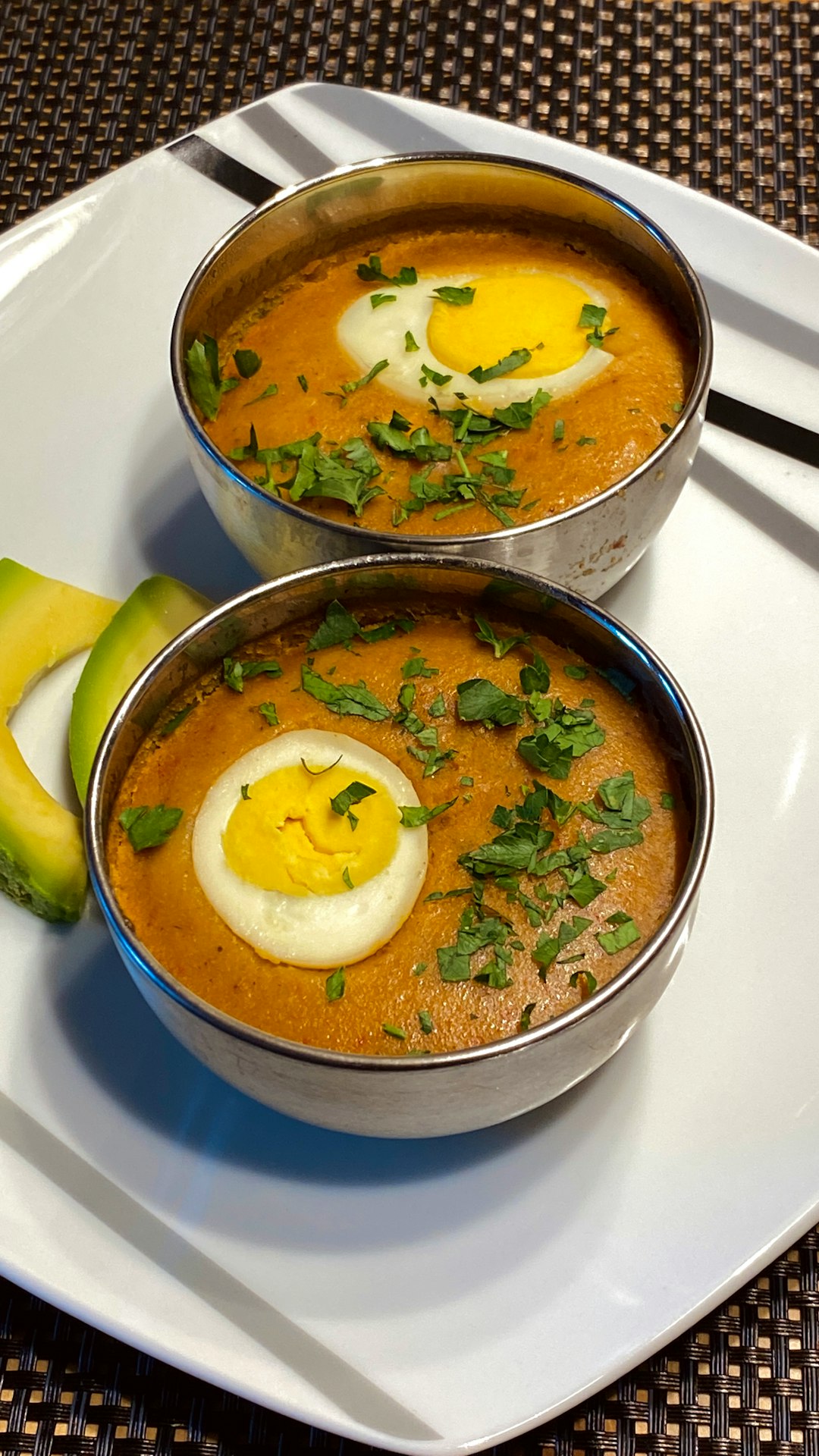
Few plates say Lagos mornings like ewa agoyin. Soft, creamy beans sit under a spoonful of dark, oily, smoky pepper sauce, and a slice of fluffy bread waits beside them. It is cheap, filling and deeply loved, and it has become one of the most recognisable street foods in Yorubaland.
This guide explains what ewa agoyin is, how it got its name, how people eat it, and how you can cook a pot at home. It also shows where the dish sits in the wider story of Yoruba food.
What Is Ewa Agoyin?
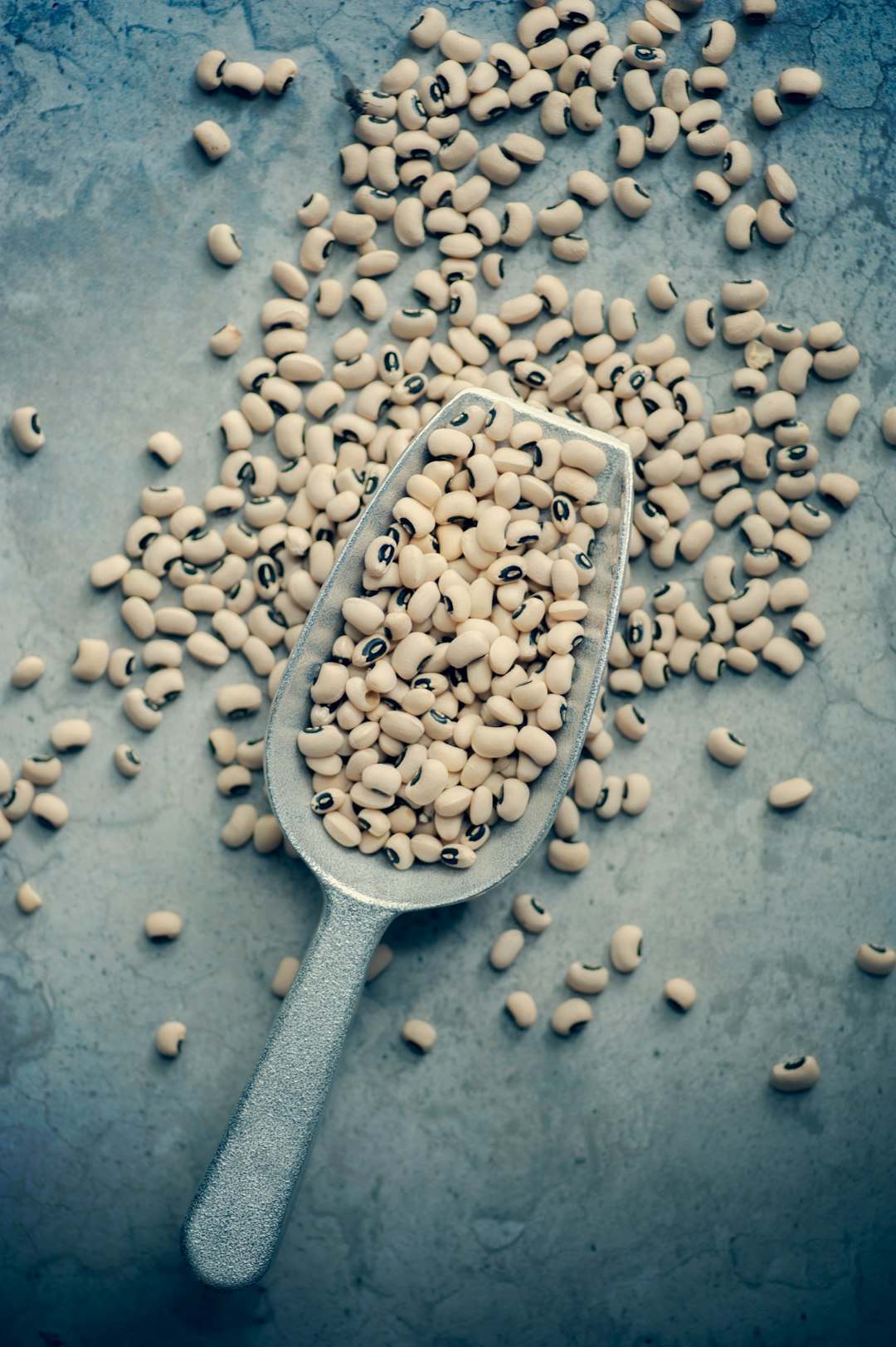
In Yoruba, ewa simply means beans. Ewa agoyin (also spelled ewa aganyin) is a dish of beans cooked until they collapse into a thick, mashable mass, then topped with a rich pepper sauce. Wikipedia’s entry on ewa aganyin describes it as a Yoruba dish made from mashed beans, usually black-eyed beans, and notes that it is often eaten as breakfast.
The sauce is the star. It is made from palm oil, chilli peppers and onions, fried slowly until it turns very dark and almost smoky. Some cooks add ground crayfish, and some use locust beans (iru) for extra depth.
The Origin of Ewa Agoyin and the Story Behind the Name
The name carries a bit of history. A BusinessDay feature on the dish links it to the Agoyin (or Aganyin) people of Benin and Togo, who are said to have settled in Nigeria, especially Lagos, decades ago. They brought their bean recipe and pepper sauce with them, and the dish became a local favourite. You can read that account in BusinessDay’s article.
So the name can be read in two parts: ewa for beans, and Agoyin for the community credited with popularising it. Other writers also say the dish is widely believed to have come from the Republic of Benin, and that in Nigeria it is found mostly in Lagos, as noted by Prime Business Africa.
Sources differ in small ways, which is normal for a street food passed on by word of mouth. What they agree on is that the dish belongs to the food culture of the Yoruba-speaking region and of Lagos in particular. To understand why the city shaped it so strongly, see our overview of the history of Lagos.
How Ewa Agoyin Is Traditionally Eaten
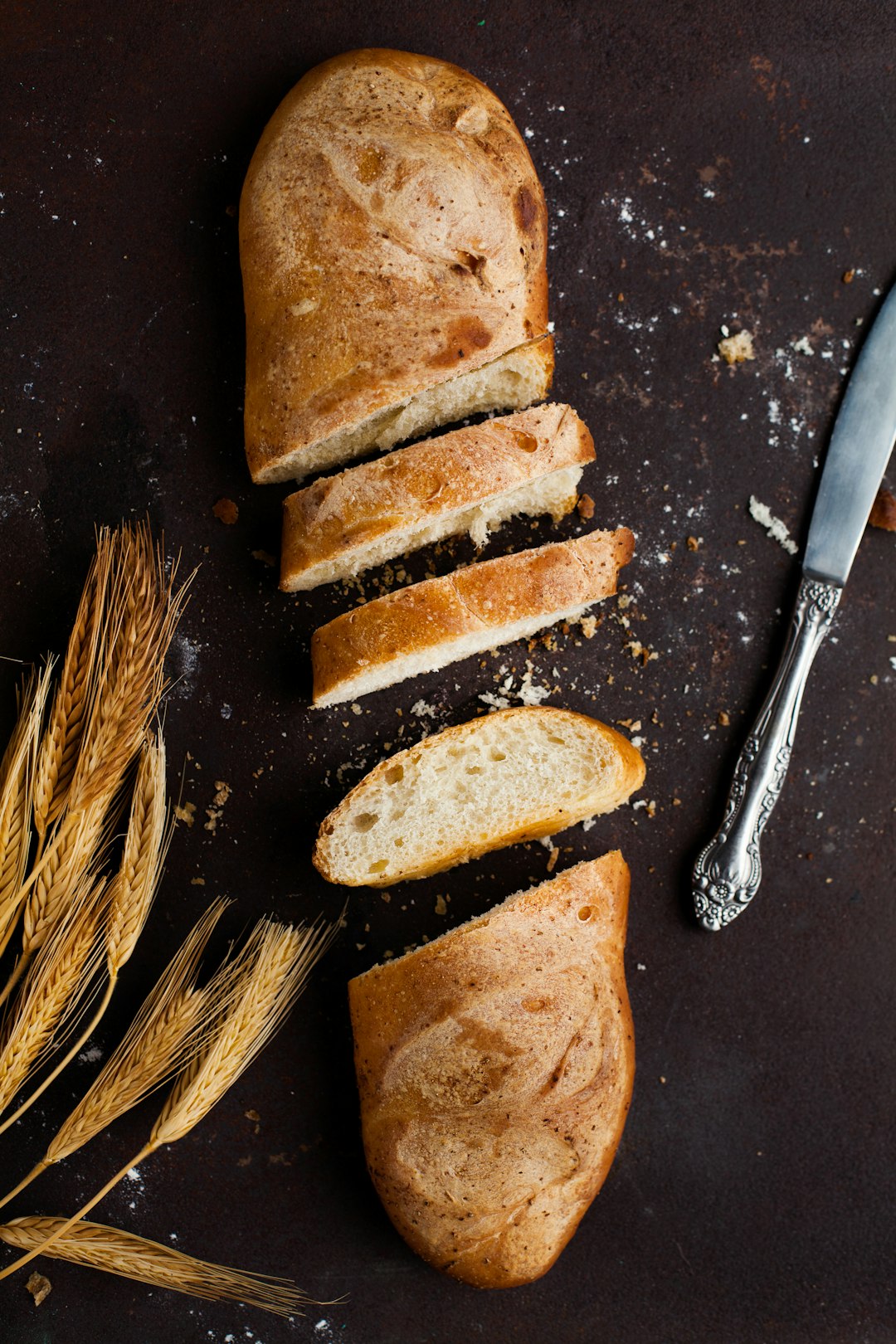
The classic partner is Agege bread, a soft, slightly sweet, stretchy loaf. According to Wikipedia’s page on Agege bread, it began in Agege, Lagos, in the colonial era, and it is often eaten with dishes such as ewa agoyin and akara. The bread soaks up the oily sauce and balances the heat of the pepper.
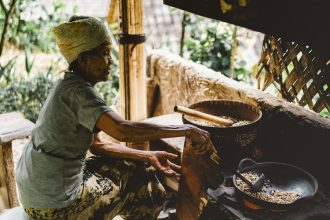
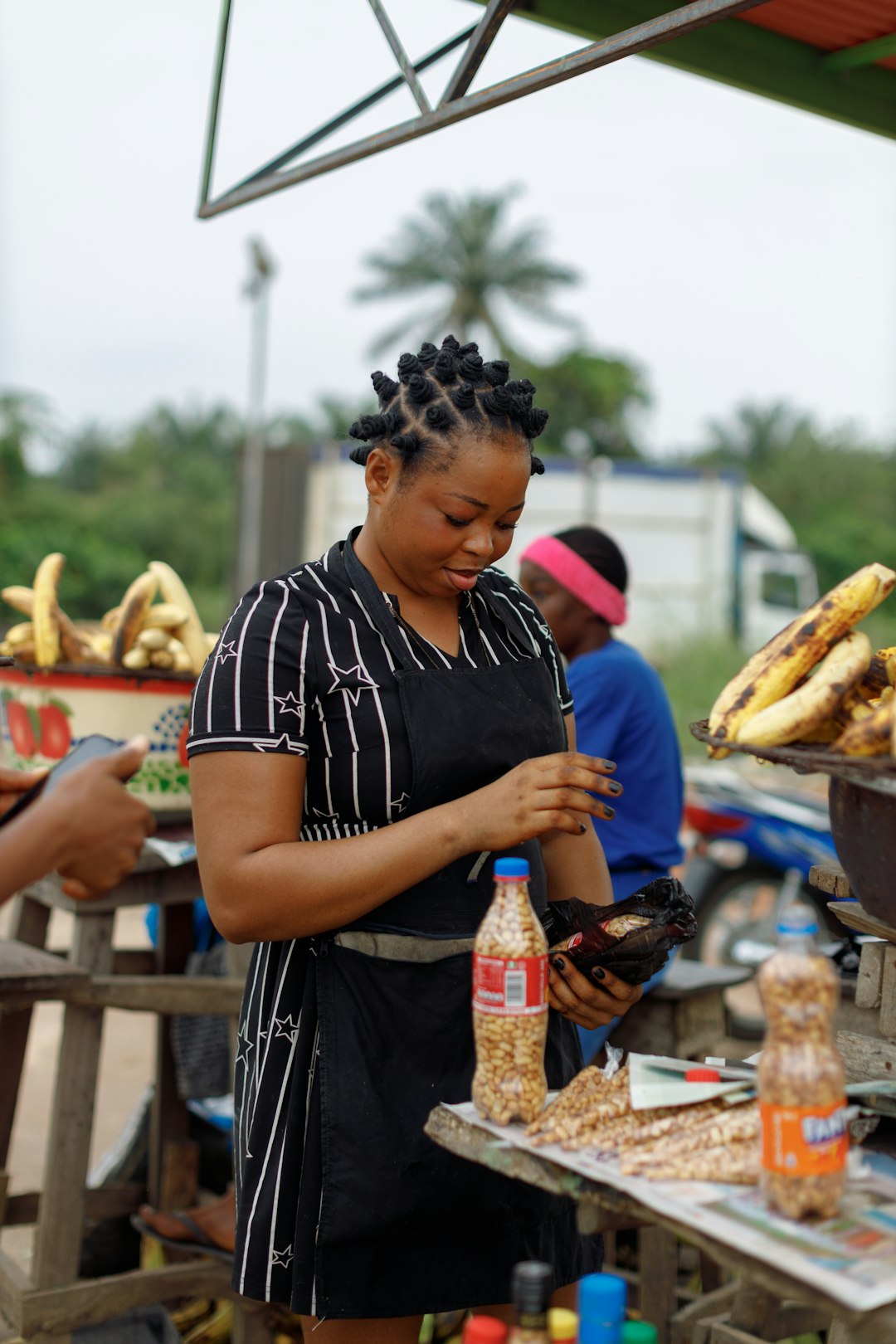
Traditionally, the beans are sold from a big pot by women known as Agoyin sellers. Prime Business Africa describes how the pot is cooked for hours, sometimes overnight, over firewood. The seller scoops the beans onto a plate, makes a small ridge in the mash, and ladles the sauce over it to the buyer’s taste. Bread sellers often work right beside them.
Many people add extras to make the plate bigger:
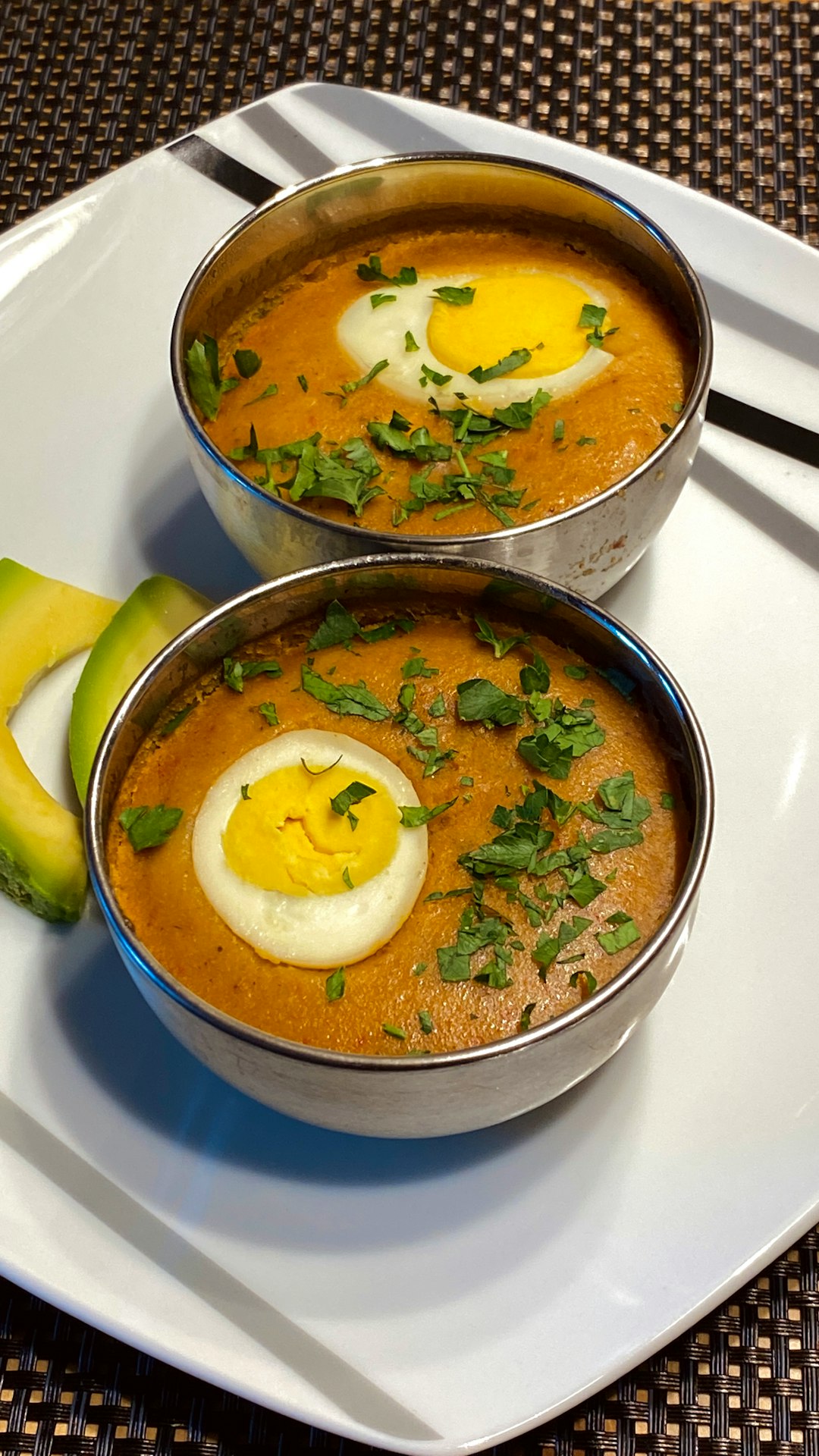
- Boiled eggs
- Fried plantain (dodo)
- Ponmo (cow skin) or assorted meat
- Fried fish or fried yam
- Garri or boiled yam in some parts of the south-west
Ingredients for Ewa Agoyin at Home
The quantities below follow the approach in a recipe from Nigerian Food TV, which serves a small family. Adjust the pepper to your own heat level.
| Part | Ingredient | Amount |
|---|---|---|
| Beans | Black-eyed beans | 2 cups |
| Beans | Salt | To taste |
| Sauce | Habanero peppers (ata rodo) | 4 |
| Sauce | Large red bell pepper (tatashe) | 1 |
| Sauce | Roma tomatoes | 2 |
| Sauce | Palm oil | 1 cup |
| Sauce | Onions | 2 |
| Sauce | Ground crayfish | 1 tablespoon |
| Sauce | Stock cube and salt | To taste |
How to Make Ewa Agoyin Step by Step
Cook the beans until very soft
Soak the beans for two to three hours, or overnight. Rinse them, cover with fresh water and boil for about 30 minutes. Add salt and keep cooking until the beans are very soft and the water has dried off. Mash lightly if you like a smoother texture.
Build the dark pepper sauce
- Blend the tomatoes, peppers and one onion coarsely, then cook the mixture until the liquid has evaporated.
- Heat the palm oil on medium until the deep red colour fades to golden.
- Fry the chopped onion until it turns deep brown, then add the crayfish for a short time.
- Add the cooked pepper mix and fry, stirring often, until the onion pieces disappear and the sauce darkens.
- Season, cover and simmer for about five minutes.
Serve it hot
Spoon the beans onto a plate, press a shallow ridge in the middle, and pour the sauce over generously. Serve with soft bread, fried plantain or boiled yam. Stirring the sauce slowly is the secret: a rushed fry gives a sharp, burnt taste instead of a deep, smoky one.
If you enjoy cooking from this tradition, our collection of classic Yoruba recipes has more dishes to try next, and you can pair a bean plate with a different staple by learning how to make amala, ewedu and gbegiri.
Tips for a Better Pot of Ewa Agoyin
- Soak the beans first. It shortens cooking time and gives an even, creamy mash.
- Do not drown the beans. Too much water leaves a watery mash, so add it a little at a time.
- Be patient with the sauce. Slow, steady frying brings out the dark colour and smoky flavour.
- Choose soft bread. A fluffy loaf soaks up the oil far better than a crusty one.
- Scale the heat. Use fewer habaneros if you are cooking for children or guests who prefer mild food.
Where Ewa Agoyin Fits in Yoruba Food Culture
Ewa agoyin shows how Yoruba cooking welcomes outside influences and makes them its own. A bean recipe linked to the Agoyin community, a loaf shaped by Lagos’s port-city history and a sauce built on Yoruba palm oil and pepper all meet on one plate. Few dishes tell the story of Lagos as simply.
It is also a social food. Customers often choose a favourite seller by taste, aroma and texture rather than by a signboard, according to BusinessDay, and stalls appear at bus stops, markets, campuses and roadside corners. Many of the sellers are women, and the trade supports local food economies.
Sharing food, welcoming guests and respecting hard work are all part of Yoruba culture and the value of omoluabi, and a hot plate of beans from a trusted seller fits that spirit well.
Ewa Agoyin Beside Other Yoruba Bean Dishes
Beans hold a special place on Yoruba tables, and each dish treats them differently. Moi moi is a steamed bean pudding, akara is a fried bean fritter, and ewa agoyin keeps the beans soft and mashed so they can carry a bold sauce. The same humble ingredient becomes three very different meals.
What sets ewa agoyin apart is the contrast on the plate. The beans are plain and gentle, while the sauce is hot, oily and deeply savoury. Each bite is a small balance between the two, and the soft bread works as the bridge that holds them together.
If you are new to the dish, start by ordering a modest portion of sauce and add more as you learn your heat level. Sellers expect this, and asking for a little at a time is perfectly normal. At home, you can keep the sauce in a separate bowl so everyone at the table can serve themselves.
The dish also makes sense for gatherings. A big pot of beans and a jar of sauce can feed many people with little fuss, which is part of why it remains a trusted choice for busy mornings, school days and shared meals with neighbours.
Frequently Asked Questions About Ewa Agoyin
What does ewa agoyin mean?
Ewa means beans in Yoruba. Agoyin points to the Agoyin (Aganyin) community, which is credited with popularising the dish in Lagos.
What is ewa agoyin usually eaten with?
Soft Agege bread is the classic choice. Boiled eggs, fried plantain, ponmo, fish and yam are common extras.
Which beans are best for the dish?
Black-eyed beans are the usual choice, though white-eyed or red beans can also work. Cook them until they mash easily.
Is it only a breakfast food?
It is very popular in the morning, but many people eat it as a filling lunch or evening meal too.
Ready to cook? Try the recipe this weekend, and keep exploring our guide to traditional Yoruba dishes for the next plate on your list.
Image credits: Jasmine Waheed, Ben Iwara, Victoria Shes, and Femi Oyekoya via Unsplash.