

Yoruba names for boys are short prayers and family stories. Many begin with Adé (crown), Ọlá (honour or wealth) or Olúwa (God), and each one tells a story about the child’s birth or the family’s hopes. Here are 16 well-known names with their meanings. Exact meanings can differ by family and region.
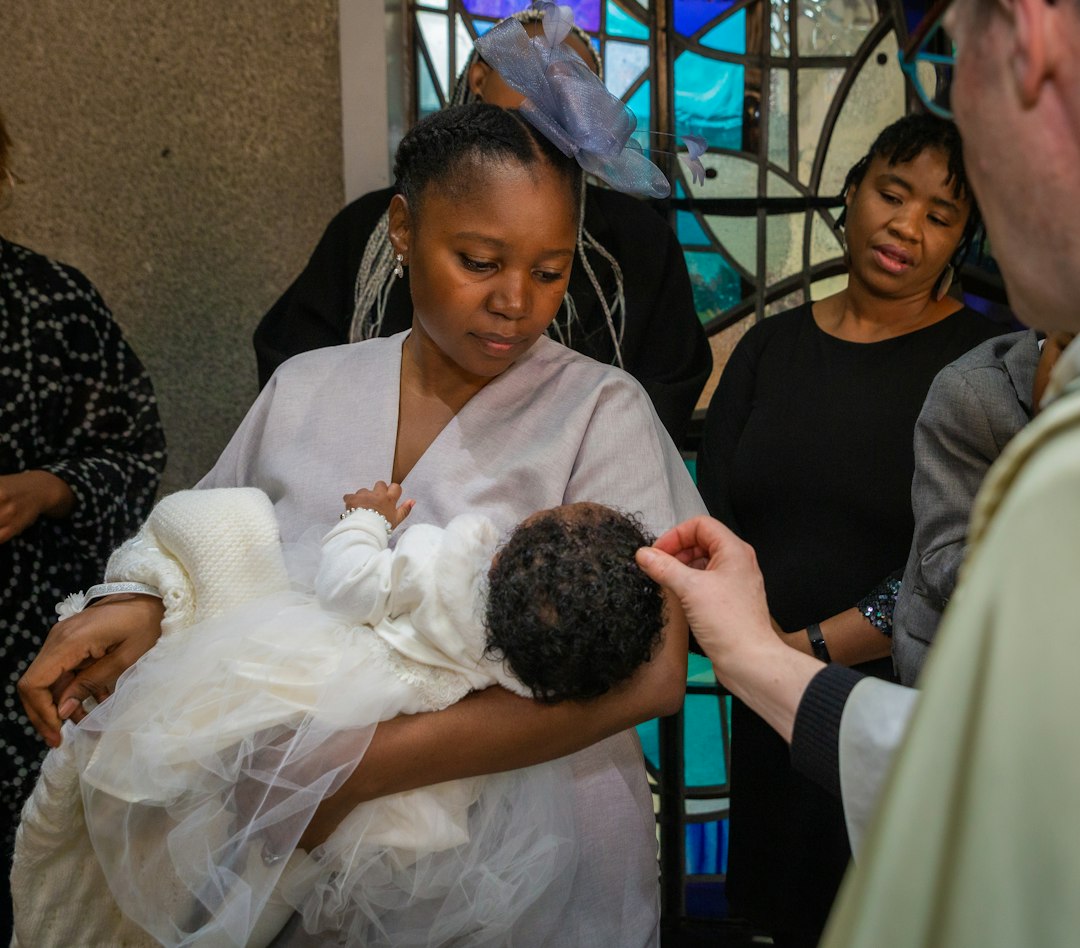
16 Yoruba Names for Boys
- Babátúndé: father has returned, usually given when a boy is born soon after a grandfather’s death.
- Ọlátúndé: honour has returned.
- Akíndélé: a brave one has come home.
- Adéwálé: the crown has come home.
- Adébáyọ̀: the crown meets joy.
- Adéyẹmí: the crown suits me.
- Adéṣínà: the crown has opened the way.
- Adéníyì: the crown has honour.
- Ayọ̀délé: joy has come home.
- Ọláwálé: honour has come home.
- Ọládélé: honour has arrived home.
- Ọlámilékan: my honour has increased.
- Olúwafẹ́mi: God loves me.
- Olúwaṣẹ́gun: God has given victory.
- Ọlúwátóbi: God is great.
- Ọpẹ́yẹmí: gratitude befits me.
Special Names for Twins and Later Children
Some names depend on birth order. The first twin is traditionally Táíwò and the second Kẹ́hìndé. Read the story in Yoruba twins (Ìbejì).
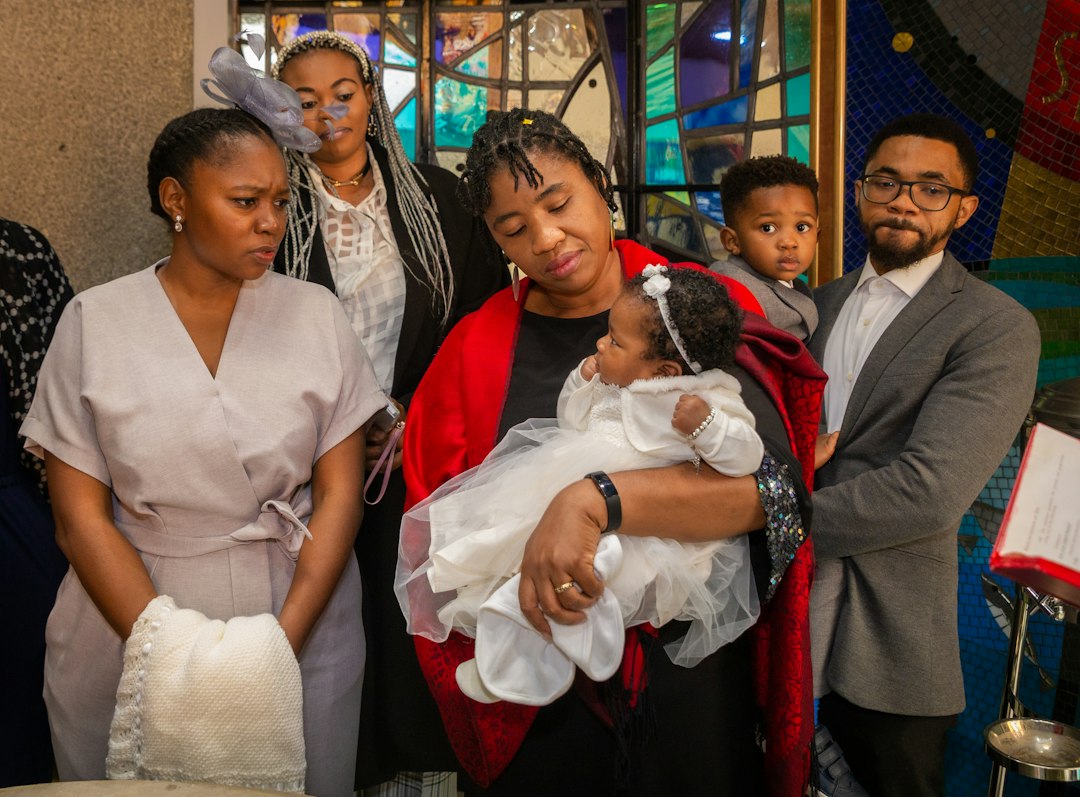
How to Pronounce and Write Yoruba Names
Each syllable carries a tone. Learn the sounds in our Yoruba alphabet guide and read why tone marks matter. If you are unsure of a name’s meaning, ask an elder or check the YorubaName dictionary.
Naming Traditions
Names are formally given at the naming ceremony (Isomoloruko). Praise names, which are separate from given names, are explained in oríkì. See also Yoruba names for girls and our overview of Yoruba baby names, or the background on Wikipedia.
Yoruba Boy Names FAQs
What does Babátúndé mean?
It means “father has returned”.
What does Adé mean in Yoruba names?
Adé means crown, and it often signals royal descent or honour.
Can I use a Yoruba name without tone marks?
Yes, many people do, but the tone marks preserve the correct pronunciation and meaning.





One Comment