In Yoruba culture, a child’s name often records the circumstances of the birth. That is why twins, the child who follows them, and babies born in unusual ways have their own special Yoruba names. This guide explains the best-known names, what they mean and when they are used. Meanings and usage can differ between towns and families, so treat this as a general guide.
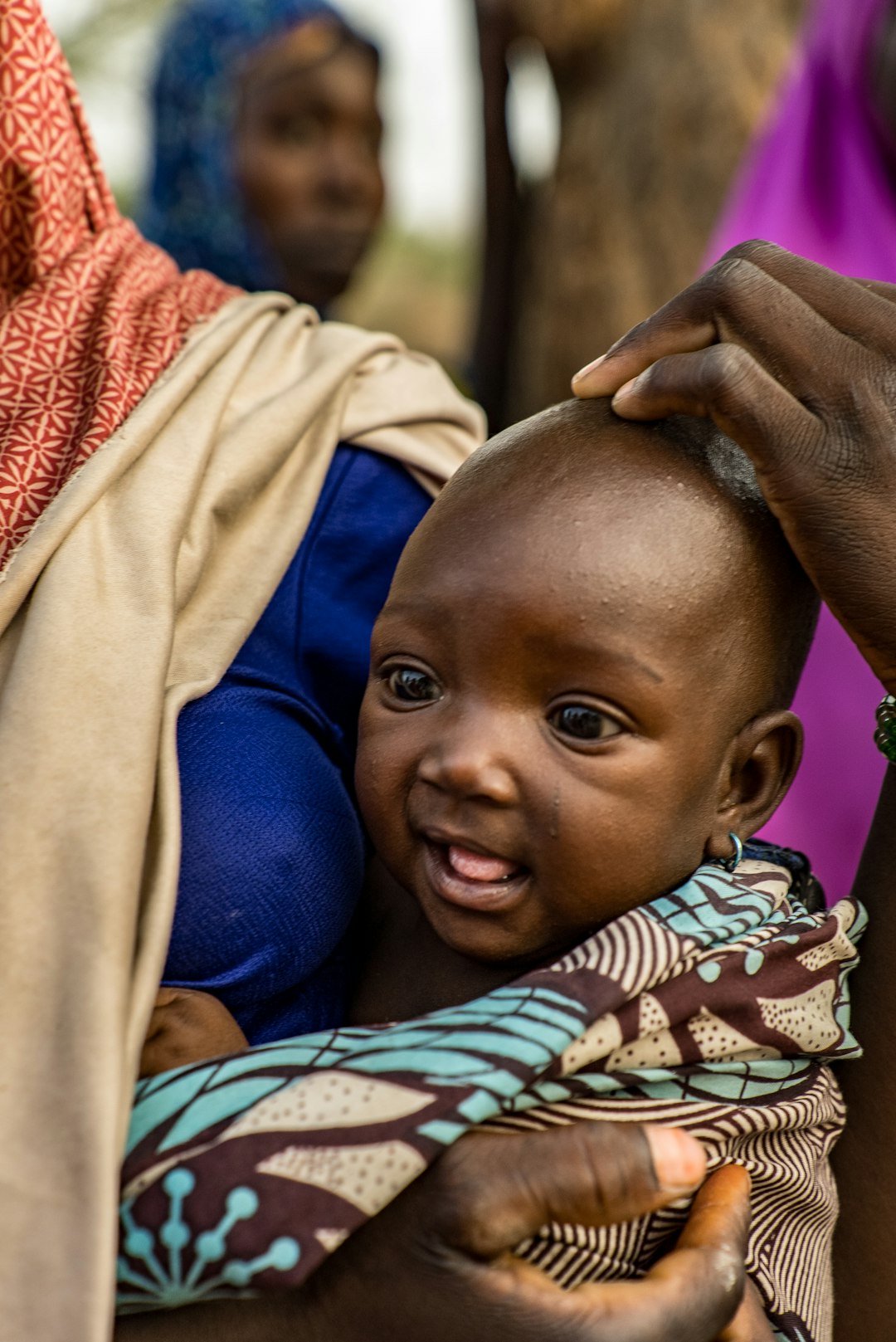
Why Circumstances of Birth Shape Yoruba Names
Yoruba naming follows the idea that àmútọ̀runwá names are “brought from heaven”, meaning they come with the child because of how and when the child was born. These names are usually given in addition to the family’s chosen names at the naming ceremony. Learn how the ceremony works in our guide to the Yoruba naming ceremony.
Names for Twins and the Children After Them
| Name | Who receives it | Common explanation |
|---|---|---|
| Táíwò | The first twin to be born | Commonly explained as the one who “tastes the world” first |
| Kẹ́hìndé | The second twin | The one who arrives after, and is often described as the elder who sent the first to look around |
| Ìdòwú | The child born right after the twins | A name marking a birth that follows a twin birth |
| Àlàbá | The child born after Ìdòwú | Marks the next birth in the sequence |
Twins are called ìbejì. Many families give both twins matching names or outfits. You can read more about how twins are viewed in Yoruba culture in our guide to Ìbejì, twins in Yoruba culture.
Names for Other Special Births
- Ìgè: traditionally given to a child born feet first (a breech birth).
- Dàda: given to a child born with curly or matted hair.
- Ọ̀jó (boy) and Àìná (girl): commonly linked to a baby born with the umbilical cord around the neck.
- Àbíkú names: families who lost children early sometimes gave protective names such as Málọmọ̀ (“do not go again”) or Dúrósinmí (“stay to bury me”) to ask the child to stay.
Practices vary, and not every family follows these traditions today. Many modern parents choose a favourite name from our lists of names for girls and names for boys and add a special-birth name as a middle name.
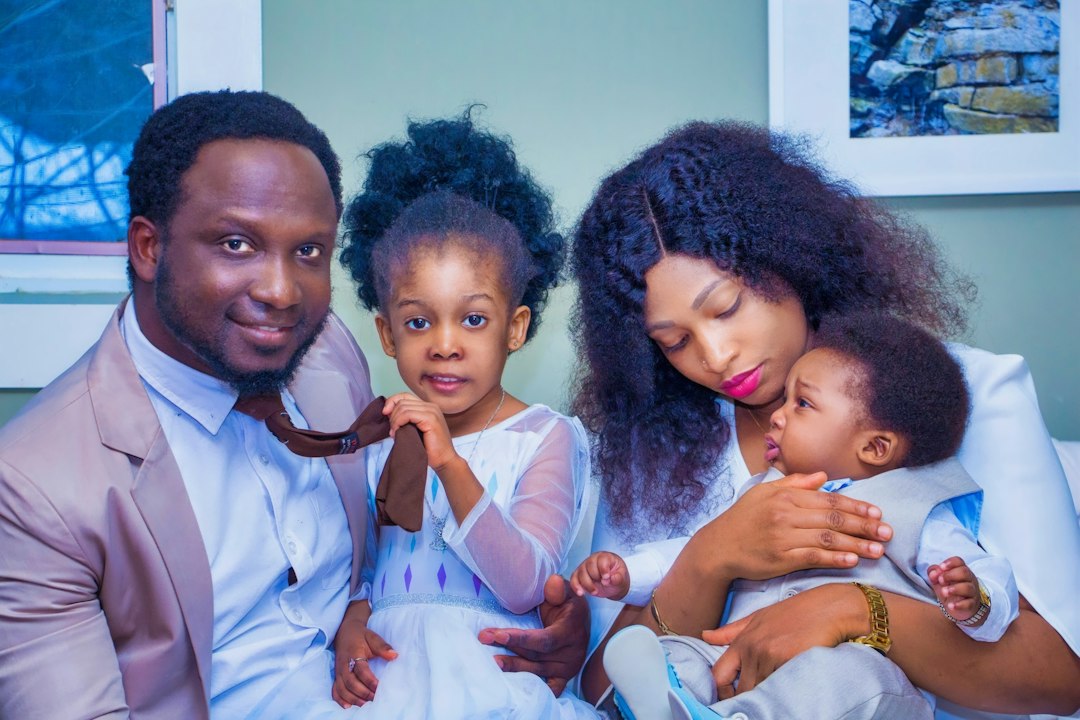
How to Use These Names Today
- Ask older relatives which special names apply to your family, since customs differ by community.
- Pair a special-birth name with a name that expresses your hopes for the child.
- Learn the pronunciation and tone marks before you register the name; see our tone mark guide.
- Explore family history with oríkì and surname meanings.
Frequently Asked Questions
What are the Yoruba names for twins?
Táíwò for the first twin and Kẹ́hìndé for the second.
What is the name for the child born after twins?
Ìdòwú, and the next child is often called Àlàbá.
Do all Yoruba families use these names?
No. They are common but optional, and customs differ between families and regions.
Continue exploring on the Learn Yoruba hub.