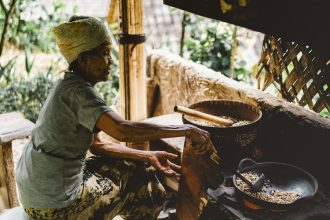
Visiting a Yoruba home is usually warm, generous and a little ceremonial. Hosts take pride in welcoming guests, and guests are expected to show respect through greetings, manners and small gestures. This guide explains Yoruba etiquette for visiting a home, with the phrases to use, what to bring and what to avoid. Customs vary by family, religion, town and generation, so treat this as a general guide rather than a strict rulebook.

The Foundation: Ìwà Omolúàbí
Yoruba etiquette rests on the ideal of omolúàbí, a person of good character who is respectful, honest and considerate. Almost every custom below is a way of showing that character. For the wider values behind it, read our guide to Yoruba culture, traditions and values.
1. Greet Before Anything Else
A greeting comes first, before questions, requests or news. On arrival you can say Ẹ kú ilé, a greeting for people at home, or Ẹ ǹlẹ́ (good day, in many regions). Hosts reply with Ẹ káàbọ̀, meaning “welcome”. Elders are greeted first, traditionally with a bow or kneel: men may prostrate (dọ̀bálẹ̀) and women kneel (ìkúnlẹ̀). In many modern homes a deep nod or a slight bend with a verbal greeting is accepted, especially in the diaspora. Our guide to greeting elders explains each form, and the greetings guide covers the times of day.
2. Use Respectful Forms of Address
- Use the respectful ẹ (you, plural or polite) with anyone older than you.
- Address older people by title instead of first name: Bàbá (father or older man), Ìyá (mother or older woman), Ẹ̀gbọ́n (older sibling or older person).
- Many families also use “Uncle” and “Aunty” as everyday titles, a modern habit that reflects the same respect.
The words for relatives are in our family members vocabulary.
3. Bring Something Small
Arriving empty-handed is not a disaster, but a small gift is a courtesy: fruit, drinks, snacks or something for the children. Traditionally, the kola nut holds a special place in welcoming guests and in ceremonies. If you plan to attend a formal occasion, learn what it signifies in our article on kola nut in Yoruba culture.
4. Accept Hospitality Graciously
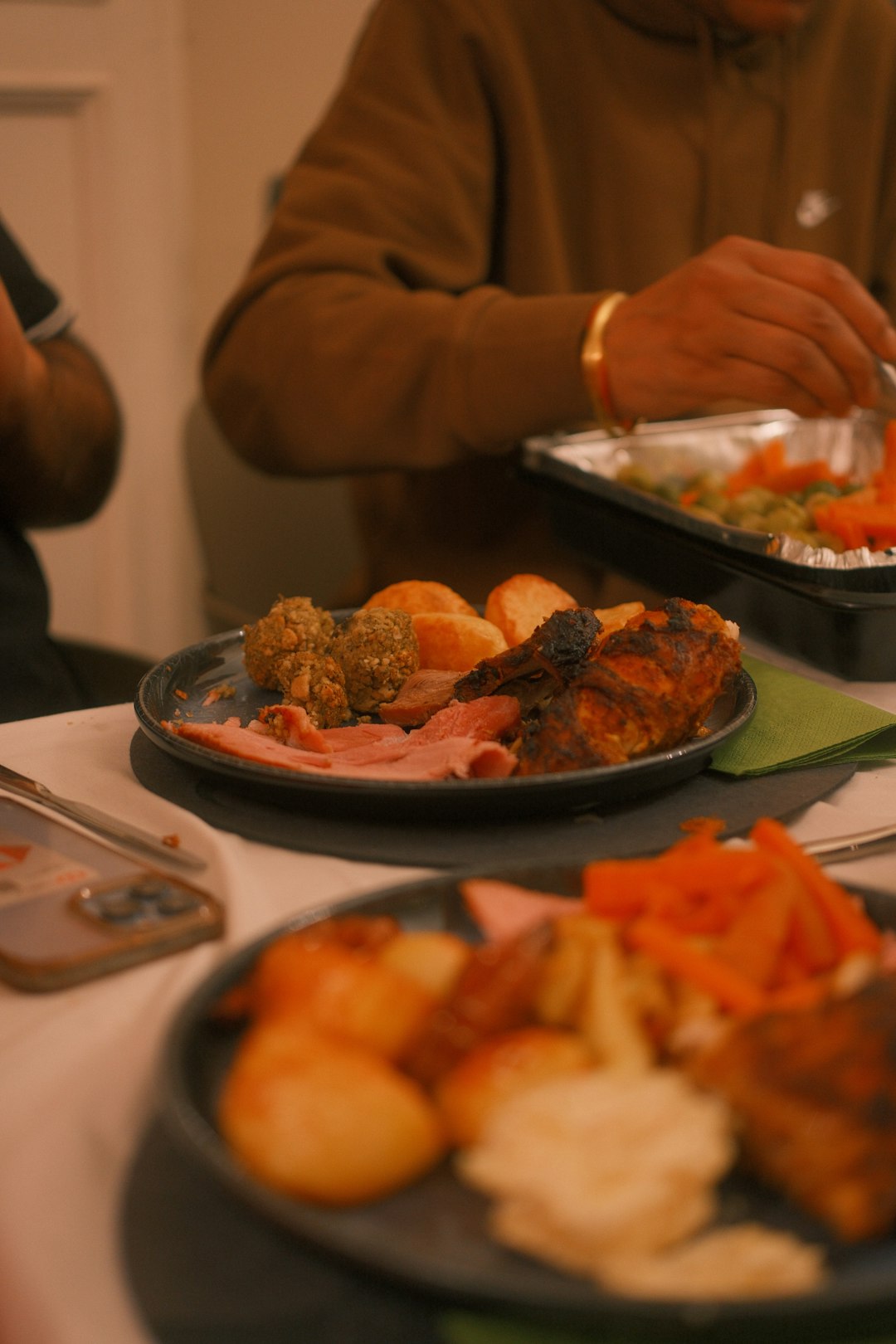
Hosts often offer water or a drink and then food. Declining everything can be taken as a sign you are not at ease, so accept at least a little and say thank you. The invitation to eat is Ẹ jẹun, and the reply of thanks is Ẹ ṣé or Ẹ ṣé gan-an (thank you very much). Many families still use the right hand for giving, receiving and eating, and consider it more respectful, though practice varies. If you are curious about the food itself, try our recipe for amala, ewedu and gbegiri.
5. Behave Calmly and Wait to Be Seated
Wait to be invited to sit: Ẹ jókòó means “please sit”. Speak calmly, avoid interrupting elders and avoid sharp or sudden disagreement with them in front of others. Phones are best kept away during greetings and meals.
6. Leave Politely
Tell your host before you go, thank them, and greet the elders again. A common farewell is Ó dàbọ̀, and hosts may add a prayer for your journey. In many families guests are walked to the gate or car.
Useful Phrases at a Glance
| Yoruba | Meaning and use |
|---|---|
| Ẹ kú ilé | Greeting to people at home |
| Ẹ káàbọ̀ | Welcome |
| Ẹ jókòó | Please sit |
| Ẹ jẹun | Please eat |
| Ẹ ṣé | Thank you |
| Ẹ jọ̀wọ́ | Please |
| Ó dàbọ̀ | Goodbye |
For Diaspora Visitors
If you grew up outside Nigeria, relatives will usually forgive small mistakes, especially when you try. A greeting attempted in Yoruba is received warmly even if the tones are off. See how culture travels in Yoruba diaspora in the UK, USA, Brazil and Cuba, and start with common Yoruba words.
Frequently Asked Questions
Do I have to prostrate or kneel?
It is a traditional sign of respect, especially for elders and at formal events. Many families accept a respectful verbal greeting with a bow, particularly for guests unfamiliar with the custom. Follow what the family does.
What should I say when I arrive?
Greet first. Ẹ kú ilé is a safe greeting, and the host will answer with Ẹ káàbọ̀.
Is it rude to refuse food?
It can seem impolite to refuse everything. Accept a small portion or explain politely if you have an allergy or dietary need.
Do these customs apply to all Yoruba families?
No. Practices differ by region, religion and generation. When unsure, watch your hosts and follow their lead.
Keep learning with the full Learn Yoruba hub.