Ata dindin is a Yoruba fried pepper sauce made by blending red peppers and onions and frying the mixture in oil until it is thick and dark. The name comes from ata (pepper) and dín (to fry). It is served with rice, yam, plantain, beans and many other dishes. This guide gives a basic recipe, serving ideas and tips so your sauce does not turn sour or watery. Quantities are a starting point; adjust the heat to your own taste.

Ingredients (Serves 4 to 6)
- 4 large red bell peppers (tàtàṣé)
- 2 to 4 scotch bonnet peppers (ata ṣòdò), to taste
- 2 medium onions
- About 1/2 cup vegetable oil, or a mix of vegetable and palm oil
- 1 tablespoon locust beans (iru), optional
- Salt and a seasoning cube to taste
Method
- Blend. Roughly blend the peppers and one onion with very little water. A coarse texture holds up better than a fine puree.
- Drain. Boil the blended pepper in a pot without oil until a lot of the water has evaporated, or drain it through a sieve. Removing excess water is the key to a rich, non-sour sauce.
- Heat the oil. In a wide pan, heat the oil on medium heat and fry the second onion, sliced, until soft.
- Fry the pepper. Add the drained pepper mixture and stir often. Fry for 25 to 35 minutes, until the sauce darkens and the oil rises to the surface.
- Season. Add the locust beans, seasoning cube and salt. Stir and fry for another five minutes, then taste and adjust.
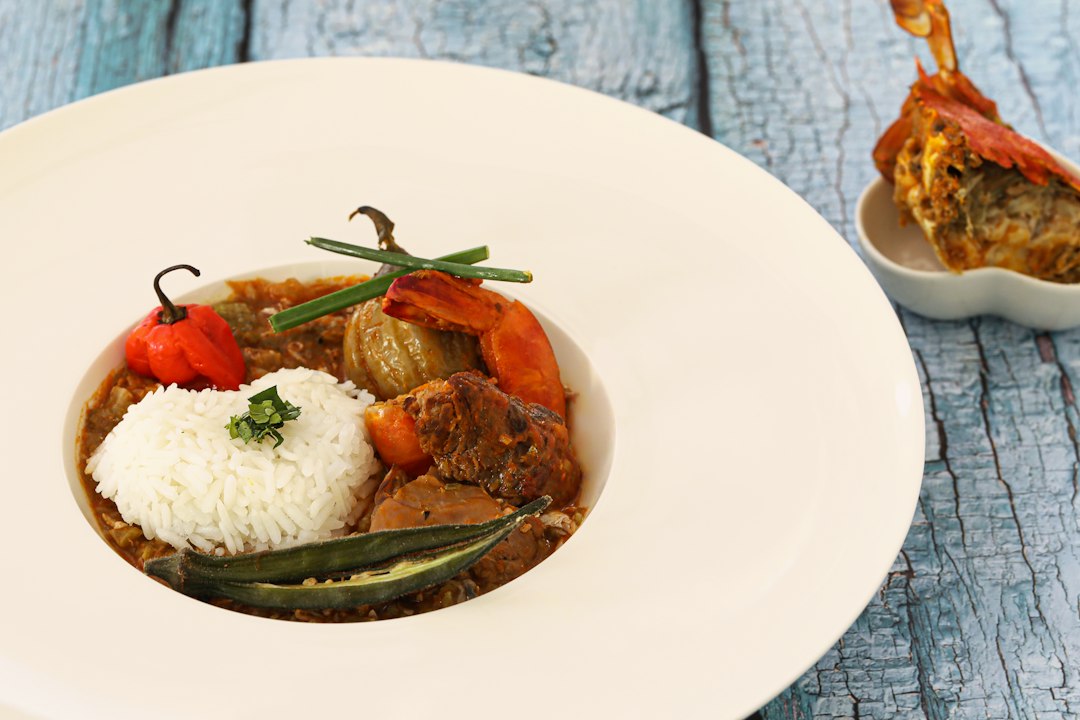
What to Serve With Ata Dindin
- Boiled or white rice, and fried plantain (dòdò).
- Yam or sweet potato, boiled or fried.
- Beans, including the dish in our guide to ewa agoyin, which uses a related dark pepper sauce.
- Boiled eggs, fish or meat, and swallows such as amala; see how to make amala, ewedu and gbegiri.
Common Mistakes and How to Avoid Them
| Problem | Likely cause | Fix |
|---|---|---|
| Sauce tastes sour | Too much water left in the pepper | Boil or drain longer before frying |
| Sauce is watery | Not fried long enough | Keep frying until oil rises |
| Burnt taste | Heat too high | Use medium heat and stir often |
| Too hot | Too many scotch bonnets | Use fewer, or remove the seeds |
Storing Ata Dindin
Let the sauce cool, then keep it in a clean, dry airtight container in the fridge for several days. Many cooks freeze it in small portions. Use a clean spoon each time and reheat only what you need.
Looking for more dishes? See our list of 12 classic Yoruba recipes and the full Learn Yoruba hub.
Frequently Asked Questions
What does ata dindin mean?
It means “fried pepper” in Yoruba.
Is ata dindin the same as stew?
Not exactly. Ata dindin is thicker and drier, and it uses less tomato than a typical Nigerian stew.
Can I make it without palm oil?
Yes, vegetable oil works well. Palm oil gives a deeper colour and flavour.