The Osun-Osogbo Festival is one of the most famous Yoruba festivals in the world. Held every year in Osogbo, Osun State, it honours the river goddess Ọ̀ṣun and draws worshippers, artists and visitors from Nigeria, Brazil, Cuba and beyond. This guide explains what the festival is, what happens and how to attend respectfully.

What Is the Osun-Osogbo Festival?
The festival is a yearly celebration of Ọ̀ṣun, held around August in and near the Osun-Osogbo Sacred Grove, a UNESCO World Heritage Site. Tradition links the festival to the founding of Osogbo and to a covenant between the town and the river goddess.
Key Moments of the Festival
- Opening rituals: the festival traditionally begins with the lighting of a sixteen-point lamp, followed by days of cleansing and prayer.
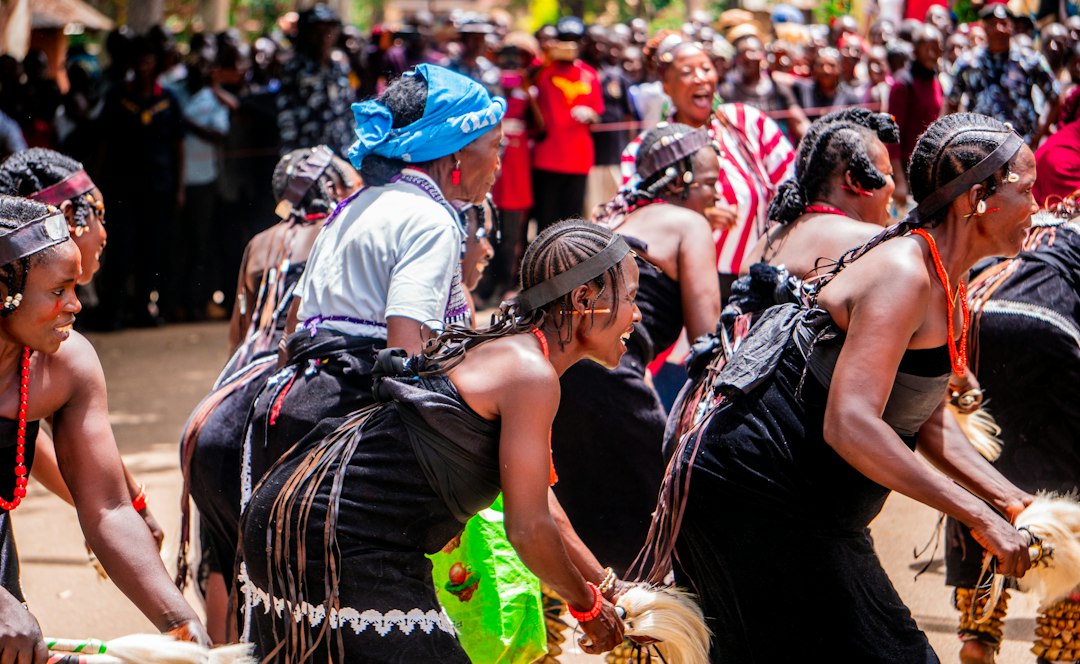
- The Arugba: a young woman, chosen from the royal family, carries a sacred calabash of offerings to the river in a procession led by the Ataoja, the king of Osogbo.
- Music and dance: drummers, singers and dancers fill the streets. Learn about drumming in our Yoruba music guide.
Tips for Visitors
- Confirm the dates with local organisers, as the schedule can change from year to year.
- Dress modestly and follow the instructions of priests and marshals.
- Ask permission before photographing people or shrines, and respect restricted areas.
- Arrive early and book accommodation in Osogbo well in advance.
Art and Culture Around the Festival
Osogbo is also a centre of modern art. Read about the Osogbo art school and the story of the artist Nike Davies-Okundaye’s gallery. See other celebrations in our overview of major Yoruba festivals and browse our Events category.
Learn More
Understand the beliefs behind the festival in Yoruba religion explained, and see the official UNESCO World Heritage listing.
Osun-Osogbo Festival FAQs
When is the Osun-Osogbo Festival?
It is usually held in August each year in Osogbo.
Who is the Arugba?
The Arugba is the young woman who carries the sacred calabash of offerings to the river.
Is the Osun-Osogbo Festival open to visitors?
Yes, visitors are welcome if they respect local customs and instructions.