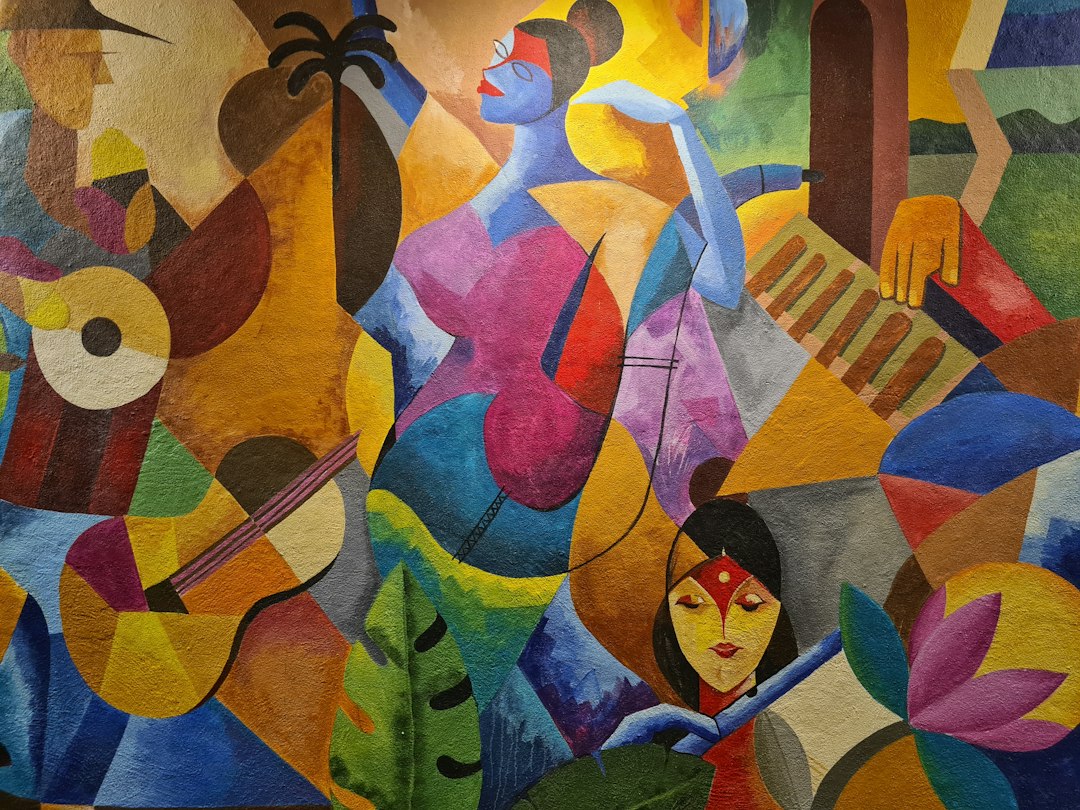
The Osogbo art school, also called the Osogbo art movement, turned the Yoruba town of Osogbo into one of the most important centres of modern African art. Beginning in the 1960s, a group of self-taught artists created a new visual language rooted in Yoruba stories, spirits and everyday life.
How the Movement Began
In the 1960s, workshops and a cultural club in Osogbo, led by the scholars Ulli and Georgina Beier, encouraged local people with no formal art training to experiment with painting, printmaking and sculpture. The results were bold, imaginative and distinctly Yoruba.
Key Artists of the Osogbo School
- Twins Seven-Seven: famous for dense, dreamlike paintings full of spirits and animals.
- Jimoh Buraimoh: pioneer of bead pictures.
- Muraina Oyelami: artist and musician associated with the movement.
- Susanne Wenger: an Austrian-born artist who made Osogbo her home and became a priestess of Obàtálá, helping to protect and restore the sacred grove.
The Osun-Osogbo Sacred Grove
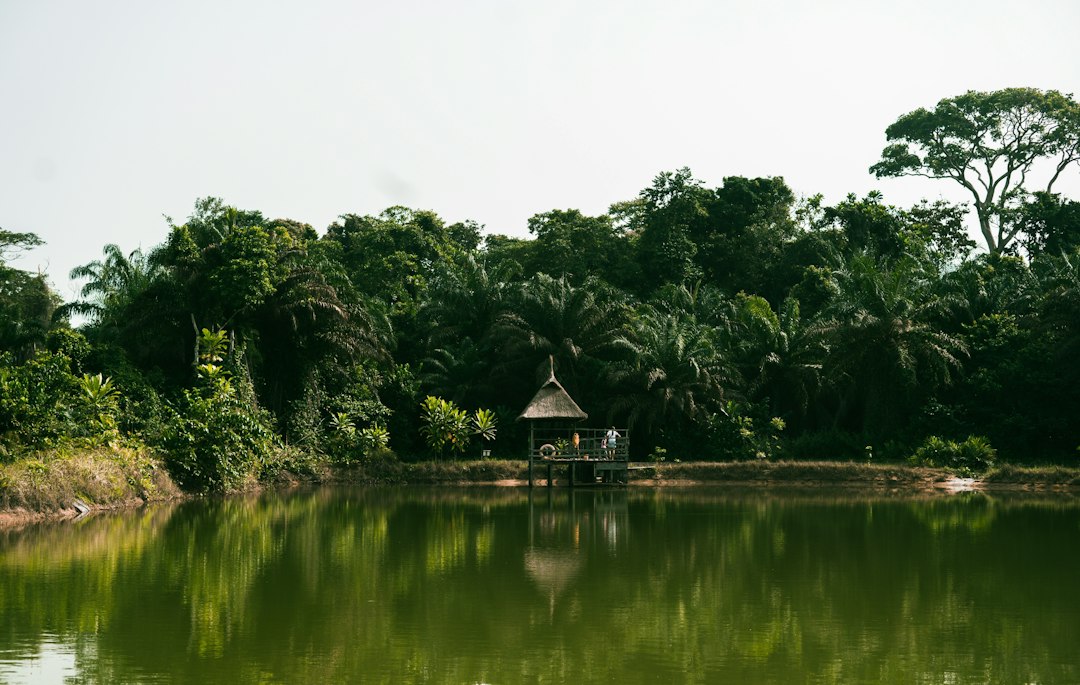
Wenger and local artists filled the forest on the Osun river with sculptures and shrines, and the grove is now a UNESCO World Heritage Site. Read the full story in our guide to the Osun-Osogbo Sacred Grove.
Nike Davies-Okundaye and Osogbo Today
Nike Davies-Okundaye, a textile and batik artist, helped carry the town’s art tradition into the present with her art centre. See our feature on the Nike Art Gallery. The yearly Osun-Osogbo festival, covered in our guide to Yoruba festivals, brings artists and visitors together.
Learn More
Meet more creators in Yoruba artists and read about the beliefs behind Osogbo’s art. For general background, see Twins Seven-Seven on Wikipedia.
Osogbo Art School FAQs
What is the Osogbo art movement?
It is a modern Yoruba art movement from the 1960s in Osogbo, led by self-taught artists inspired by Yoruba culture.
Who was Susanne Wenger?
An Austrian-born artist who lived in Osogbo, became an Obàtálá priestess and helped restore the Osun sacred grove.