

Yoruba surnames tell stories about ancestry, faith, titles and family circumstances. Many are short sentences, and most can be broken into recognisable parts. This guide explains how they are formed and gives the meanings of common examples. Meanings can vary by family and region, so confirm with elders where possible.
How Yoruba Surnames Are Formed
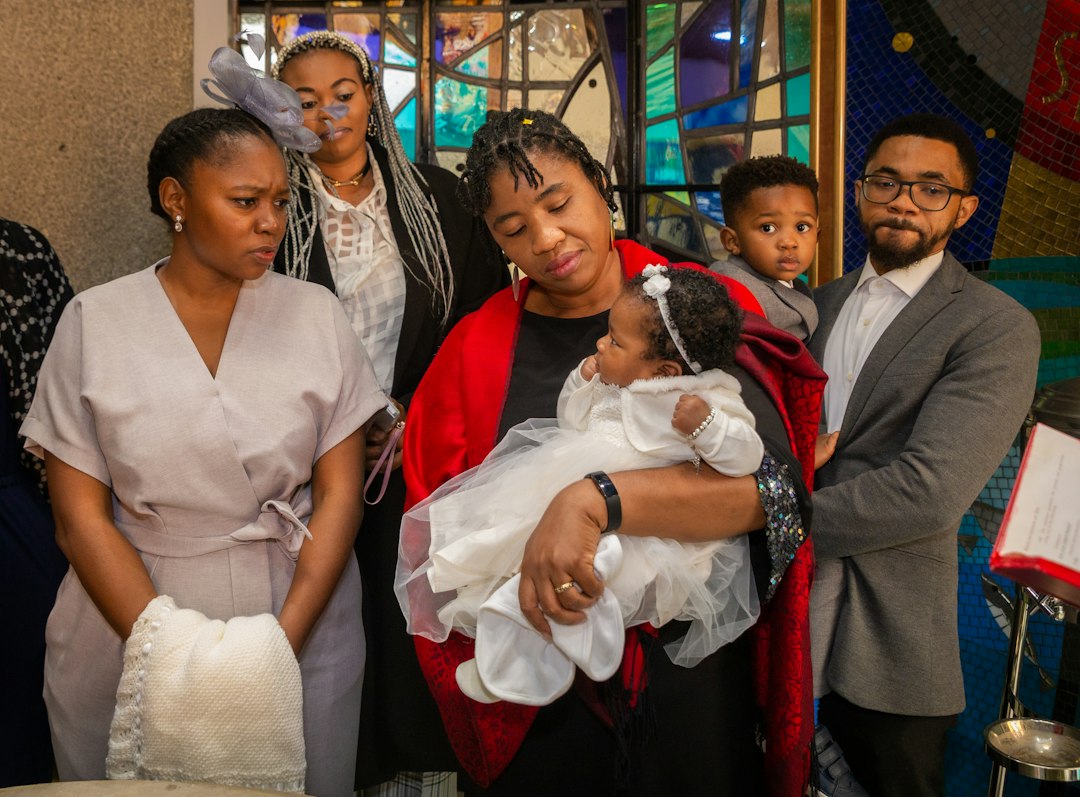
Traditionally, Yoruba people did not have fixed family surnames. A child was known by a given name, and a father’s name or a lineage praise name (oríkì) identified the family. Many families adopted fixed surnames during the colonial and church-registration era, often using a name from their ancestors. Learn about praise names in oríkì.
Common Name Parts and Their Meanings
- Adé: crown, often a royal link.
- Ògún: the orisha of iron.
- Ọlá: honour or wealth.
- Fá or Ifá: the Ifá divination tradition.
- Ṣàngó: the orisha of thunder.
- Ayọ̀: joy.
Examples of Yoruba Surnames
- Adéyẹmí: the crown suits me.
- Adébáyọ̀: the crown meets joy.
- Ògúnléye: Ògún has honour.
- Àjàyí: the name of a child born face down, also a family name.
- Fágbẹ́mi: Ifá has given me.
- Fámúyìwá: Ifá gave me this child.
- Ọláwálé: honour has come home.
- Balógun: a war leader, a chieftaincy title that became a family name.
Surnames and Religion
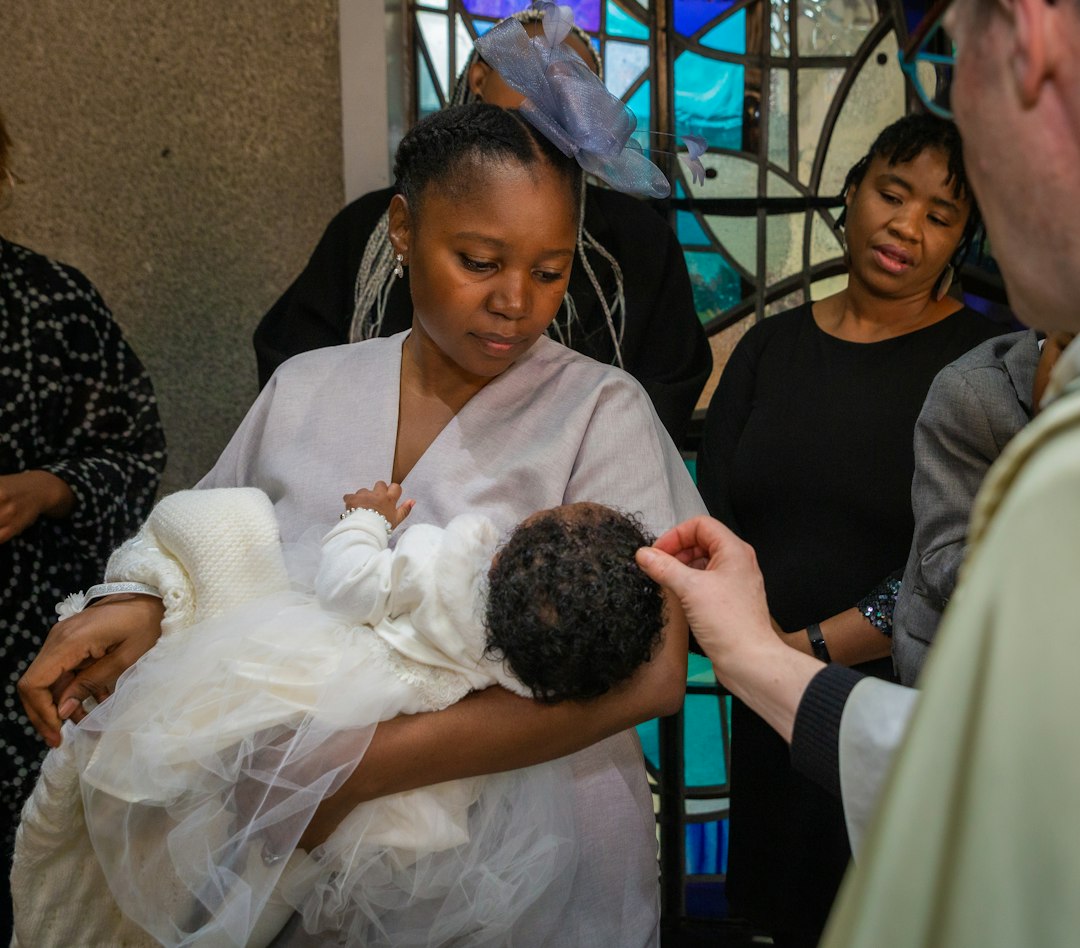
Names reveal faith: names with Ifá or Ògún reflect traditional worship, while names with Olúwa (God) or Muslim names reflect Christian and Islamic influence. See Yoruba religion.
Find a Name’s Meaning
Check the YorubaName dictionary and read about given names in Yoruba names for girls and Yoruba names for boys. Learn about the naming ceremony, and read the general overview on Wikipedia.
Yoruba Surnames FAQs
What does Adeyemi mean?
It means “the crown suits me”.
Do Yoruba people have surnames?
Fixed surnames became common in the colonial era, before which family was identified by lineage names and praise names.
What does Ogunleye mean?
It is commonly explained as “Ògún has honour”.




One Comment