Oríkì is Yoruba praise poetry. It is a string of names, praises and short stories that describes a person, family, town or even an animal. Chanted at weddings, naming ceremonies, funerals and festivals, oríkì tells people who they are and what their ancestors did. This guide explains what oríkì is, its main types and how to start learning yours.
What oriki means
The word is often explained as orí (head) plus kì (to praise or greet), which gives “praise of the head”, meaning the core of a person. An oríkì is not a single fixed poem. It is a collection of lines that a performer can arrange to suit the person and the occasion.
Main types of oriki
| Type | What it praises |
|---|---|
| Oríkì orílẹ̀ | A family or lineage, tracing deeds and origins |
| Oríkì àbísọ | A person’s own praise name, linked to their birth and character |
| Oríkì ìlú | A town, its founders, hills, rivers and markets |
| Oríkì ẹranko | An animal or object, used in storytelling and song |
How oriki is performed
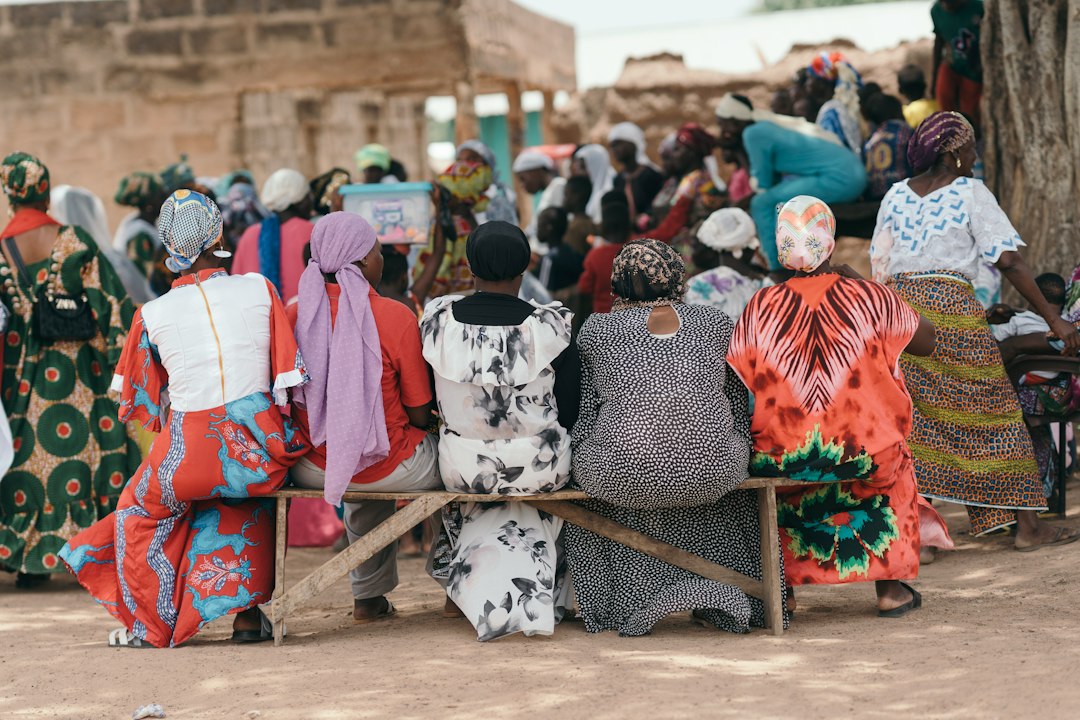
Performers, often elders, griots or women of the family, chant or sing the lines, sometimes to the beat of the talking drum. The listener may respond or reward the performer. Because Yoruba is tonal, the music of the words matters as much as their meaning. For the language side, see our guide to Yoruba grammar for beginners.
What an oriki usually contains
- Ancestral names and the town the family came from.
- Traditional occupations, such as farming, hunting, weaving or dyeing.
- Strong images, comparisons and wordplay.
- Blessings and wishes for the person being praised.
How to find your own oriki
- Ask older relatives, especially paternal grandparents, for your family’s oríkì orílẹ̀.
- Write down the lines with the tone marks as you hear them, and record them if the speaker agrees.
- Find out your family’s home town. Our guide to tracing your Yoruba roots can help.
- Learn the meaning of your name. See our guide to Yoruba names.
Oríkì also lives in modern events. Our report on the Sagbega Asa lecture in Ibadan shows how chanters and poets are keeping the art alive. Explore more on Learn Yoruba.
Frequently asked questions
What is oriki in Yoruba?
It is praise poetry that describes a person, family, town or object.
Does every Yoruba family have an oriki?
Most families have one, though how much is remembered varies, and wording differs between towns.
Can I make my own oriki?
Praise lines can be composed, but traditional family oríkì comes from the lineage and should be learned from elders.
Images: Unsplash photographers. Meanings of the word oríkì are commonly explained as above; usage varies.