A new installation by Nigerian artist Godspower Ignatus Okoro is putting Yoruba and Igbo cosmologies side by side. Titled Passages of the Unseen, the work uses art to ask what these ancient belief systems might mean today, according to a review published by Tribune Online on 4 October 2026.
What is Passages of the Unseen?
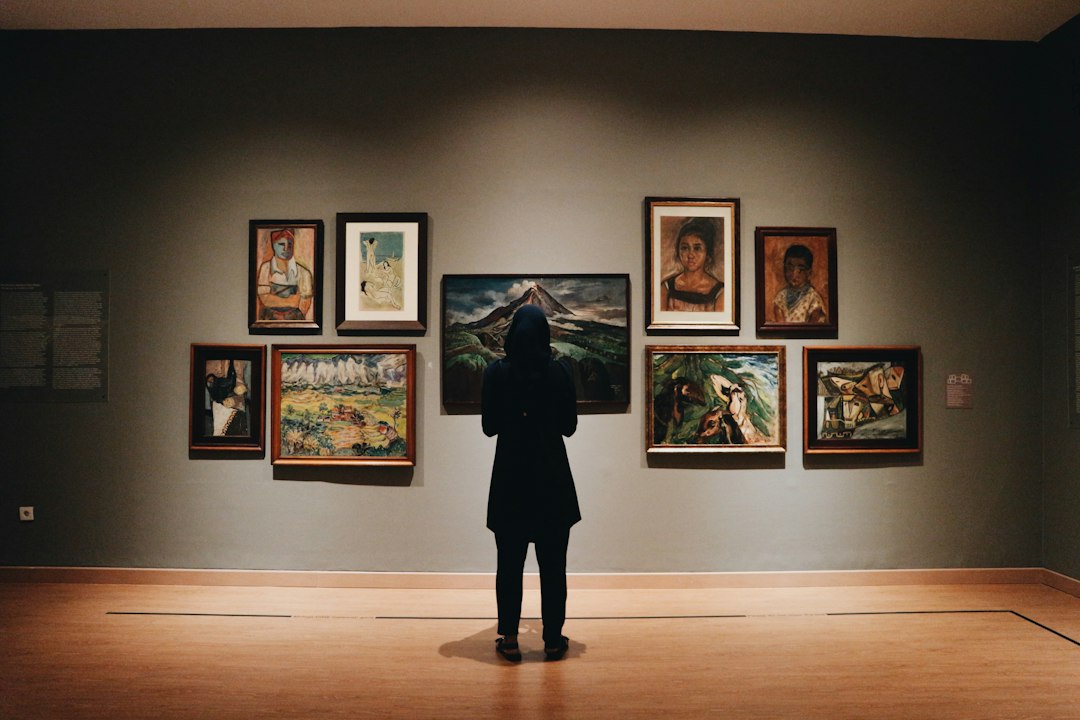
The piece is an assemblage of 14 panels arranged in two rows of seven. It explores movement between the material and spiritual worlds, with an encounter between two West African traditions at its centre. Rather than simply retelling mythology, Okoro uses installation to explore memory, transformation and cycles of loss and renewal.
Abiku and Ogbanje: two traditions, one idea
The reviewer notes that the Yoruba and Igbo hold distinct cultural and geographical spaces in Nigeria, yet both traditions have a concept of a spirit child tied to repeated cycles of birth and early death. In Igbo belief this is ogbanje, which Okoro explores directly in a companion work. Yoruba tradition has its related idea in Abiku, a child who repeatedly dies young and returns to be born again. The review points out that Okoro does not explicitly link abiku to his treatment of ogbanje.
Why this matters for Yoruba culture
Works like this show how Yoruba ideas about destiny, birth, death and the unseen continue to inspire contemporary African art. Many Yoruba names, such as those given to children believed to be Abiku, reflect this worldview, and the art encourages younger audiences at home and abroad to look at these traditions as living ideas rather than relics.
Related reading: Yoruba Naming Ceremony (Isomoloruko) and Adire: Yoruba Indigo Cloth.
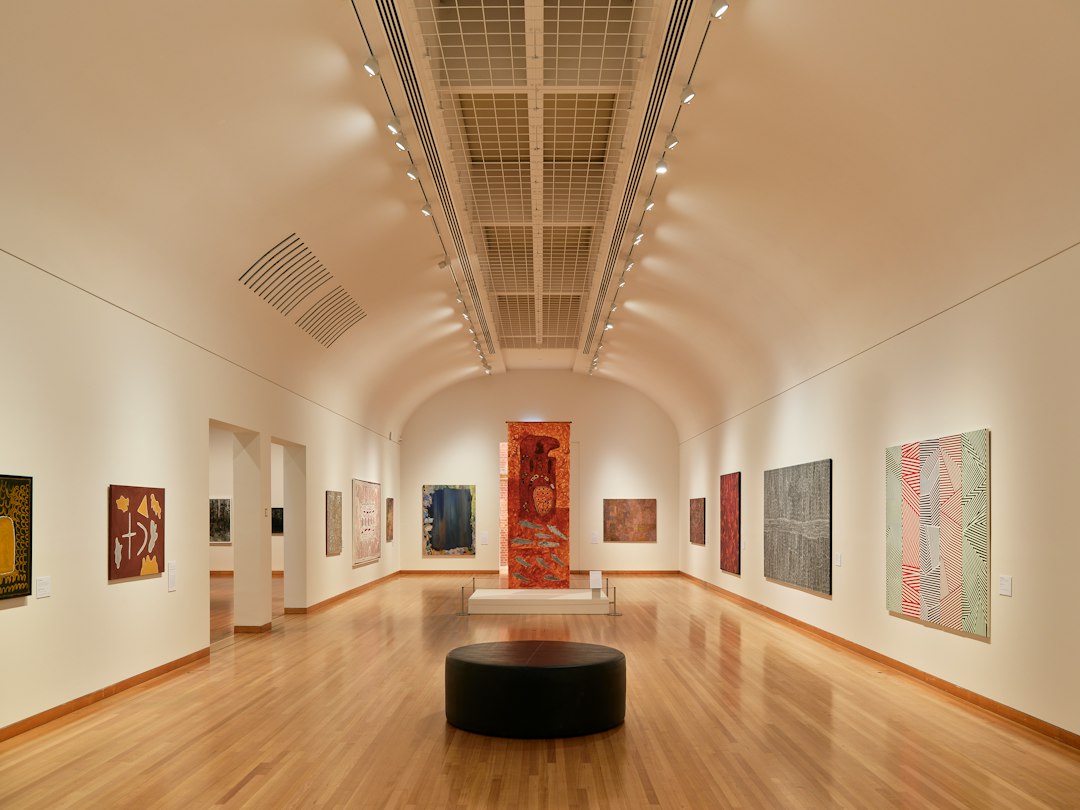
Source: Tribune Online, review by Akintayo Abodunrin. Image credits: Neon Wang and Zalfa Imani on Unsplash. Photos are illustrative, not of the artwork.