Hundreds of years ago, many Yoruba-speaking people were taken across the Atlantic to the Americas. Their languages, songs and beliefs survived, especially in Brazil and Cuba, where they shaped religions such as Candomblé and Santería. This guide explains the key terms (Nagô, Lucumí, Candomblé, Santería), how the orisha were remembered in the Americas, and why the story matters to Yoruba people today. It is an overview, and traditions in each place have their own histories and local forms.
How Yoruba Culture Crossed the Atlantic
Many people from Yoruba-speaking regions reached Brazil and Cuba through the transatlantic slave trade, especially in the late 18th and 19th centuries, a period linked to conflict and upheaval in the region. Read the background in our article on the Atlantic slave trade, the Oyo wars and the diaspora. Historians also discuss how the broad identity “Yoruba” took shape across these movements; one example is the research article “Yoruba Ethnogenesis from Within” in Comparative Studies in Society and History.
Key Terms
| Term | Where | Meaning |
|---|---|---|
| Nagô | Brazil | A name used for Yoruba-speaking people and their traditions |
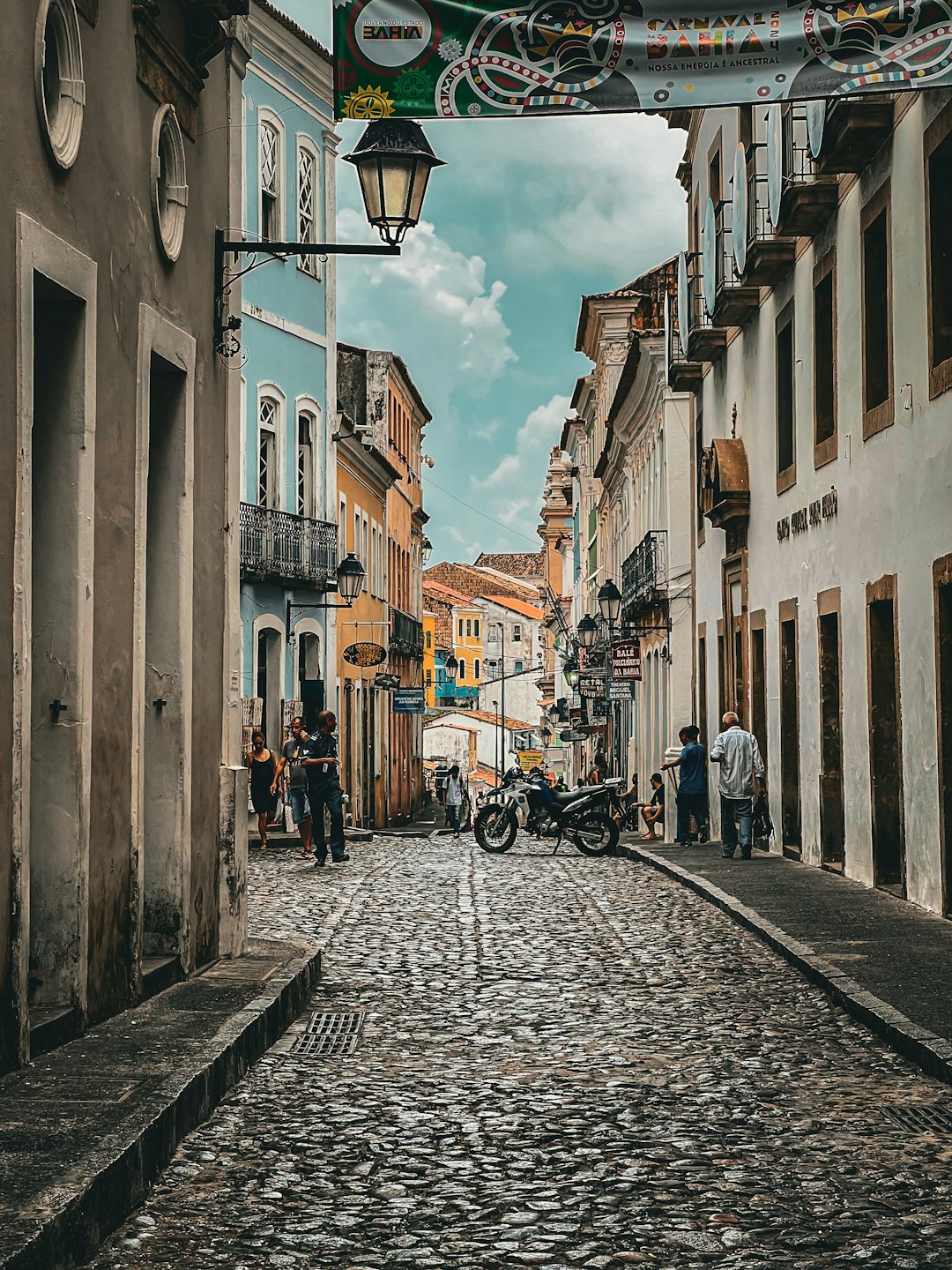
| Candomblé | Brazil, especially Bahia | An Afro-Brazilian religion with several “nations”, including the Ketu nation, which draws on Yoruba traditions |
| Lucumí | Cuba | A name for Yoruba-descended people and the liturgical language of their religion |
| Santería or Regla de Ocha | Cuba | A religion that honours the orishas, often alongside Catholic saints |
Orisha Across the Ocean
The same deities appear under different spellings. In Brazil you will see Oxalá (Ọbàtálá), Xangô (Ṣàngó), Iemanjá (Yemọja), Oxum (Ọ̀ṣun) and Ogum (Ògún). Learn who they are in our orisha list. In Cuba, many orishas are associated with Catholic saints, a blending that helped practitioners keep their faith visible in a colonial society.
What Survived: Language, Music and Food
- Language: Yoruba words and chants survive in ritual language, especially in Lucumí in Cuba.
- Music: drumming and call-and-response singing connect to the traditions in our guide to the dùndún.
- Food and festivals: offerings and ceremonial meals mirror Yoruba practices.
- Ancestor traditions: reverence for ancestors parallels the Yoruba Egungun tradition.
Reconnecting With Home
Many Brazilian and Cuban practitioners and scholars travel to Nigeria to learn Yoruba, visit Ile-Ifẹ̀ and Òṣogbo, and meet priests and priestesses. In return, Yoruba communities learn how their heritage lived on abroad. For a wider picture of the global Yoruba community, see how Yoruba culture travels.
Frequently Asked Questions
What does Lucumí mean?
It is the name used in Cuba for Yoruba-descended people and for the language of their religious tradition.
Is Santería the same as Yoruba religion?
No. It draws on Yoruba religion but developed in Cuba with its own forms and Catholic influences.
Which Brazilian city is most linked with Yoruba heritage?
Salvador in Bahia is the best-known centre of Candomblé.
More culture is on the Learn Yoruba hub.