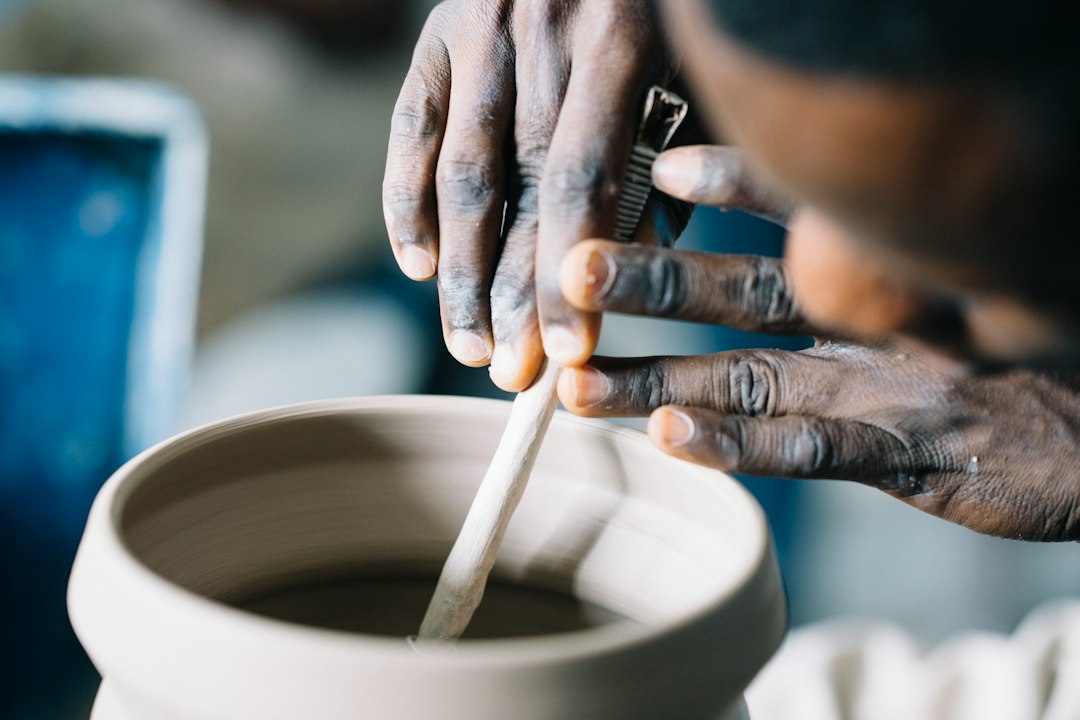
Ọbàtálá, also known as Òrìṣànlá (“the great orisha”), is one of the most respected divinities in Yoruba religion. He is honoured as the orisha of creation, purity, wisdom and justice, and tradition says he shaped the first human bodies from clay. This guide explains his story, symbols and worship in plain language. Practices differ between towns and families, so treat it as a general introduction.
Who Is Ọbàtálá?
In many Yoruba accounts, Olódùmarè, the supreme being, entrusted Ọbàtálá with moulding human beings, while another divinity gave them life and breath. His role as the shaper of humankind links him closely to Ile-Ife, regarded as the cradle of the Yoruba; read the background in Ile-Ife: cradle of the Yoruba and the origin of the Yoruba.
The Story of Creation and Compassion
A well-known story tells that Ọbàtálá once drank palm wine while working and shaped some bodies imperfectly. When he realised, he vowed never to drink again and became the protector of people born with disabilities, who are regarded as under his care. The story is told to teach compassion and respect for every person.
Symbols and Worship
- White: devotees wear white cloth as a sign of purity and calm.
- Silver and white objects: sacred items often use these colours.
- Taboos: worshippers often avoid palm wine and certain other items, although the rules vary by tradition.
- Songs and chants: praise poetry honours his patience and wisdom; see oríkì.
Ọbàtálá Around the World
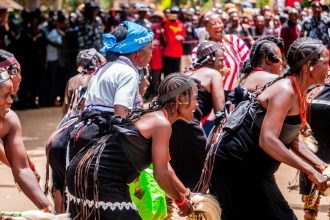
His worship travelled across the Atlantic with enslaved Yoruba people. In Brazil he is known as Oxalá, and in Salvador, Bahia, devotees dressed in white take part in a famous annual washing of the church steps of the Bonfim church, a tradition that blends African and Catholic customs. In Cuba he is called Obatalá. Read more in our guides to the Museu Afro-Brasileiro in Salvador and the Yoruba diaspora.
Learn More About the Orisha
Explore the other divinities in five major Yoruba orisha, Ṣàngó and Ọ̀ṣun, and the full list of Yoruba gods and goddesses. See the wider belief system in Yoruba religion explained and the overview of Obatala on Wikipedia.
Ọbàtálá FAQs
Who is Ọbàtálá in Yoruba religion?
He is the orisha of creation, purity and wisdom, said to have shaped human bodies from clay.
Why do Ọbàtálá devotees wear white?
White represents purity and calm.
What is Ọbàtálá called in Brazil and Cuba?
He is called Oxalá in Brazil and Obatalá in Cuba.